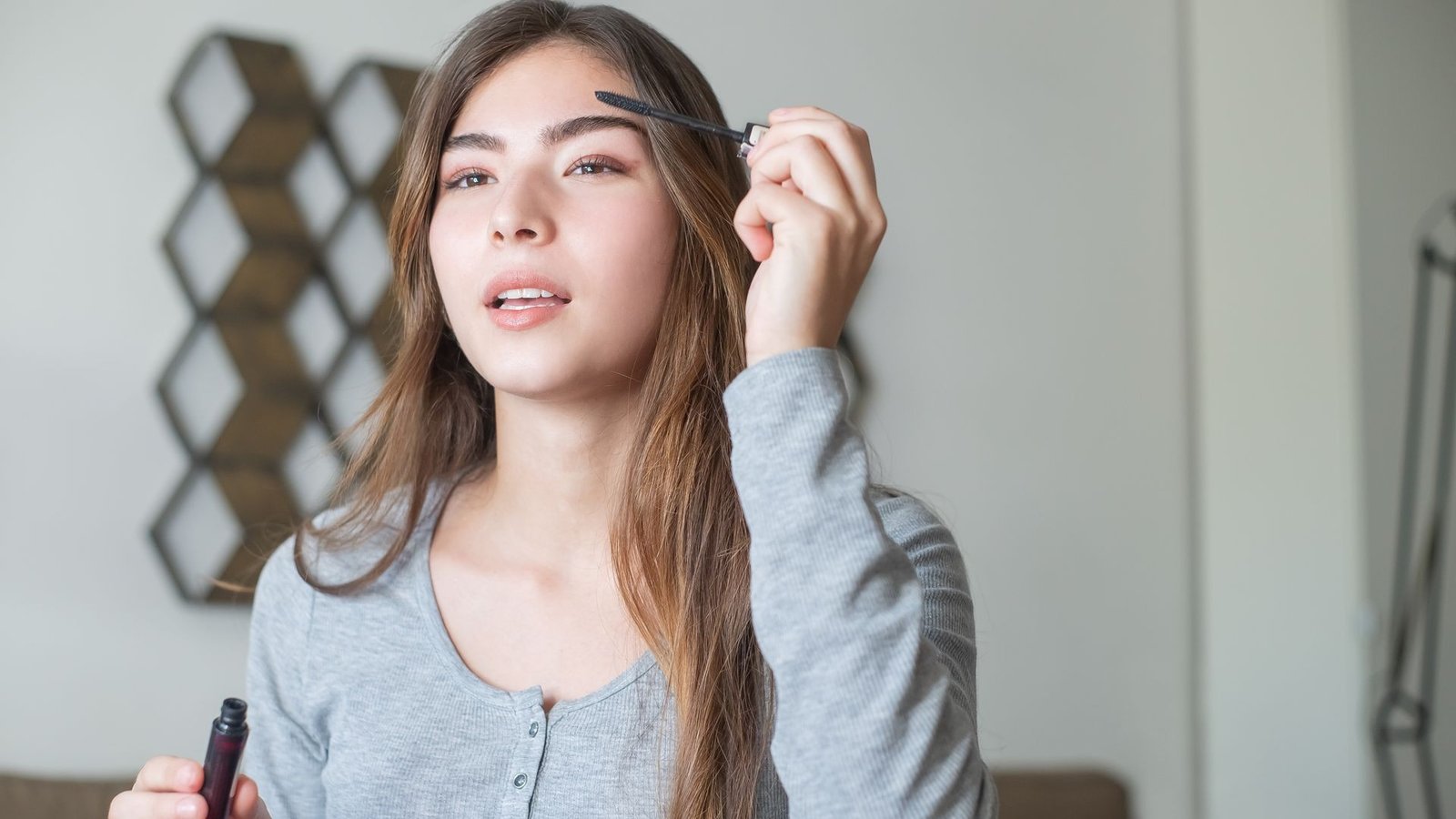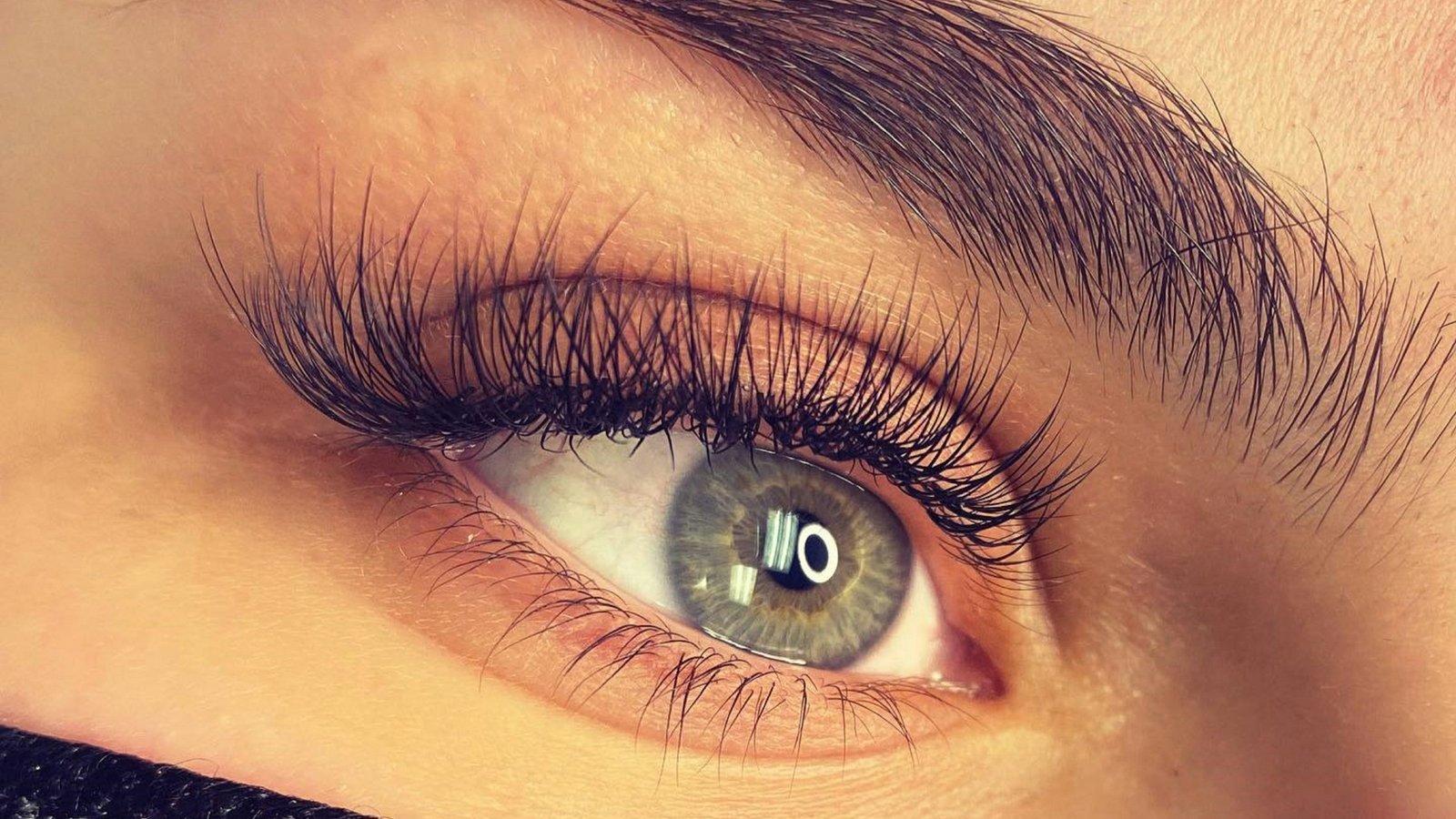
Brow mascara is a gel you brush through your brows to color, thicken, and hold the hairs in place. Wipe the extra product off the wand, brush with light pressure in the direction your hairs grow, and run a clean spoolie through before it dries. Choose a shade close to your natural brow color, and go lighter if you’re unsure.
Most people who give up on it do so after one bad morning: stiff, crunchy brows and flakes by lunchtime. That’s almost always a technique or shade problem, not a bad product, and both are easy to fix.
What brow mascara actually does
It resembles eyelash mascara, only it is packaged in a smaller container. The brush tends to be smaller, and the consistency is gentler to prevent it from sticking the hairs together. Brow gel has three functions: coloring the eyebrow, giving it volume, and holding it in place.
Knowing the type of product that you are using will help a lot in achieving the desired effect.
Tinted, clear, or fiber
Tinted is the default. It puts color on the hairs, which helps if your brows are light, thin at the tips, or a shade or two off from what you’d like. If your brows are already dark and full, you may not need the color.
Clear sets the hairs without changing the shade. If your brows are the right color and just won’t stay put, clear is enough. We wrote about how it works in our guide to clear mascara, and the same tube does double duty on brows.
Fiber formulas contain tiny hair-like fibers that cling to your brow hairs and add thickness. They give the fullest look, and they’re also the easiest to overdo. If you’re new to brow mascara, start with tinted and move to fiber once you’re comfortable with how much product the wand carries.
You can use regular lash mascara on your brows in a pinch. The wand is bigger, the formula is stiffer, and black is rarely the right brow color. A brow-specific tube costs a few dollars and is much easier to control.
How to pick a shade
Test the color in daylight, and match it with your brow hairs, not your skin or the color that you use in your hair. Usually, the color of brow hair is different from the color of hair on your head, particularly if you dye your hair.
Choose the closest match to your natural brow color. In case you find it hard to choose between two colors, pick the lighter one, because you can always apply another coat, but you cannot remove dark product after you put it on.
Undertones play their role as well. If you have gray-brown or ashy brows, then it is best for you to select a taupe or cool brown color. If they have a red tone, select the warm one. People who have blonde or light hair usually look better in soft brown or taupe than in blonde.
How to apply it step by step
- Brush your brows up and out with a clean spoolie so you can see the real shape and any gaps.
- If you have bare patches, fill them with a pencil first (more on that below).
- Wipe the wand on a tissue or the rim of the tube. This is the step that prevents most clumps.
- Start at the front of the brow and brush straight up with light pressure, one pass.
- Then brush up and outward along the arch and tail, following the direction the hairs grow. Brushing only one way leaves the front and tail looking uneven.
- Give the first coat a few seconds. If you want more color, add a second thin coat, then comb through with a spoolie.
Pressure matters more than most people think. Press hard in one spot, and you leave a dark patch; uneven pressure across the brow shows up as uneven color. A light, steady hand works better than going slowly.
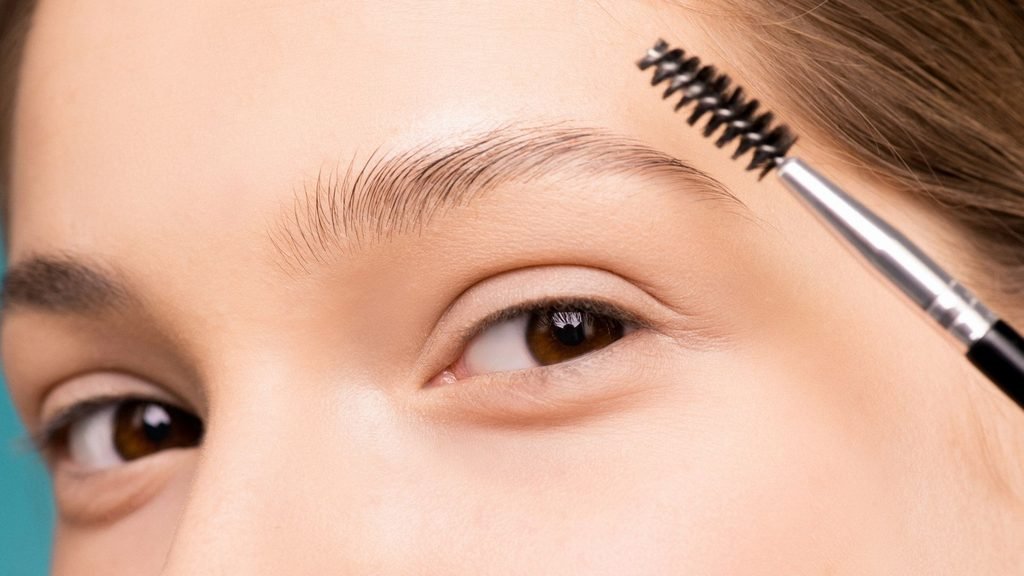
Fixing clumps and flakes
Clumps usually come from too much product on the wand, a second coat over a wet first coat, or pressing too hard. If it’s caught before the product has fully hardened, a clean spoolie can break the clump apart. Otherwise, use a clean, dry spoolie to brush through the tube and flick away any flaky bits using the tip of a finger.
Do not apply water or saliva to soften the hardened tube since this will only cause more damage without restoring the formula. A tube that is hardened, smelling strange, or flaking each time it is opened needs to be tossed out.
Brow mascara on sparse brows
Mascara needs hair to hold onto. On sparse or patchy brows, it adds color to what’s there but won’t fill in a bare area on its own. The better approach is to fill the gaps with a pencil in short, hair-like strokes, which we cover in our guide to eyebrow pencils. Then brush the mascara over the top to blend the pencil into your real hairs and keep everything in place.
Match the pencil and mascara closely. A pencil one shade darker than the mascara can look drawn on once you brush over it.
Brow mascara vs brow gel
The two overlap more than the packaging suggests. Most brow gels use the same kind of wand and work like brow mascara. The difference is mostly emphasis: products sold as gels lean toward hold and shape, and products sold as mascara lean toward color and thickness. Clear gels set; tinted gels color. If you own a tinted brow gel, you probably already own a brow mascara.
If you want the brushed-up look to last weeks rather than hours, the salon option is brow lamination, and we’ve covered how long brow lamination lasts if you’re weighing the two.
Taking it off
Tinted formulas can leave a stain on the hairs and skin. Washing your face usually isn’t enough. Press a cotton pad soaked in eye makeup remover or micellar water against your brows for a few seconds, then wipe in the direction of hair growth. Going against the grain tugs the hairs and pushes tint into the skin around them.
Questions people ask
Can I use brow mascara every day? Yes. Remove it at night, and daily use is fine.
Will brow mascara cover gray hairs? A tinted formula can blend scattered grays. If most of your brow hairs are gray, choose the shade based on those hairs, not the dark ones.
How long does it last? Most wear through the day. Oily skin, humidity, and rubbing your face shorten that, and formulas labeled smudge-proof or transfer-proof tend to hold up better.