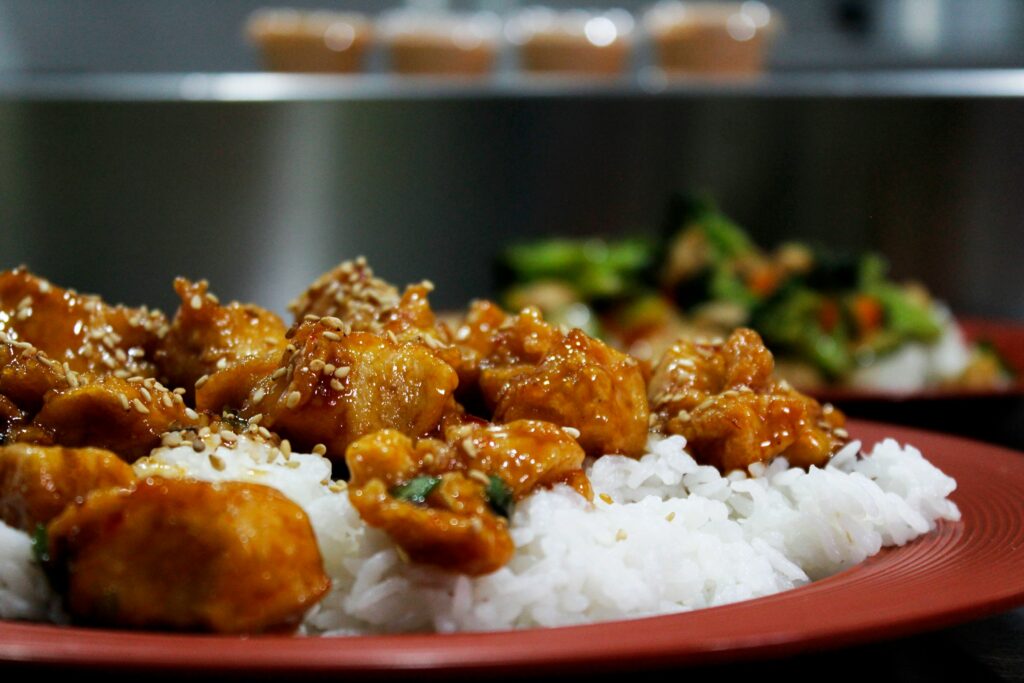
There is something about chicken teriyaki that just calls for it. The glaze on the chicken appears sweet, salty, and savory all at the same time. Chicken teriyaki can probably be considered to be an aspect of healthy comfort food, as it is both delicious and increases an individual’s sense of well-being after having worked for the whole day. However, the concept of eating something healthy results in various aspects of doubt within the mind of the individual. For example, how healthy is this option of the food? How many calories do these particular ingredients have? What kind of protein does it possess? What about the levels of sodium that the dish contains?
But the truth is that chicken teriyaki can be a healthy element of your diet. Alternatively, it may minimize additional calories that you don’t want. Again, this will depend on how it was prepared, the amount that was prepared, and whether it was prepared at home like yours or ordered from a restaurant. Let’s get into even greater detail here, okay?
Breaking Down the Numbers
Nutrition information doesn’t follow the same lines. “A serving” makes all the difference. Think of the comparison of home-cooked meals to restaurant meals loaded with rice.
To know how much a plain serving of chicken dish like Teriyaki chicken, e.g., 1 cup or 240g of normally grilled/stir-fried breast meat and a good portion of sauce, together with no additional rice, will be:
- Calories: 340 to 440
- Protein: 40 to 65g (yes, that’s a lot)
- Fat: 9-16g (mostly good fats from the chicken)
- Carbs: 4–16g
- Sugars: 3–14g (from the sauce’s natural or added sweetness)
- Sodium: 600–1,400mg
The ones made home are usually much lighter. Homemade chicken dishes can be made with skinless chicken breasts, low-sodium soy sauce, and honey or pineapple juice for sweetness. One cup of this dish has about 340 calories and 45 grams of protein. Even lean versions will make a healthy 8-ounce serving of this meal can contain up to 63 grams of protein, less than 310 calories, and less than 500 milligrams of salt.
Cafe variants that come in restaurant/takeaway forms have very distinct characteristics. Restaurant formats often have more food, for example, thicker glaze, more oil, and rice on the side. This increases calorie content to 500-800+ easily. The sodium level increases by more than 1,500mg. The level of sugars also increases to 15-25g. One cup of just the chicken and sauce alone will have 341 calories, 45g of protein, 1,053 mg of sodium, and 14g of sugar.
The big takeaway? Chicken itself packs a nutritional punch. The sauces, however, are where the calories, sugars, and sodium accumulate!
Why the Protein Stands Out
This is where the real goodness of chicken teriyaki comes in. Chicken gives the human body complete protein, which means an amino acid intake conducive to health. Half an order provides you 40g or more with little effort. This is ideal for getting strong muscles, staying full between meals, and recovering after an exercise.
These are some of the foods that have more than just proteins. They also have vitamins like Niacin and Vitamin B6 are part of this class of vitamins; their role is to convert food that we eat into energy. They also have Selenium as part of their composition; it helps the thyroid glands to work effectively. They also have phosphorus; it’s part of their composition and it helps in forming and growing bones. These lean meats do not have a lot of saturated fat; that’s why they don’t make you feel as bad as red meats do.
And if you put some vegetables like broccoli, bell peppers, and snap peas in there, it’s a whole different ballgame. You’re putting a lot of fiber and vitamin C and healthy stuff in there without a lot of calories to boot. You’re making it good for you instead of just good for your taste buds.
The Flip Side: Sodium and Sugar Sneak Attacks
Everyone knows that nobody’s perfect, but perfect or not, teriyaki sauce doesn’t score full marks either. For starters, while it’s basically made of soy sauce, this gives every tablespoon of it 500 to 600mg or more of salt. An entire serving very easily equals 1,000mg+! Recommended amounts for every adult’s day-to-day diet are 2,300mg or less, with 1,500mg being optimum. Going over that regularly leads to bloat, hypertension, or problems relating to your cardiovascular system.
Sugar adds a whole other level to the mix. Traditional recipes call for mirin, brown sugar, and honey, which means that each serving can have between 5 and 20 grams of extra sugar. It certainly does taste good; however, the frequency can lead to energy crashes, increased weights, and even inflammatory conditions depending on serving portion control.
Takeout accentuates both. Large portions, thicker glazes, and underlying oils all contribute to higher numbers. A bowl full of food has the power to deliver twice as many sodium and calories as you initially anticipated.
So, Is Chicken Teriyaki Healthy?
Yes, especially if you make changes. Cook some chicken that is lean, grilled, or baked. Make a sauce with low-salt soy, less sugar, and some fresh things. A bit of ginger or garlic adds a great deal of interest, for example. Load up on veggies, rather than rice, and/or employ brown rice if you prefer.
The package here gives you plenty of protein for fullness and nutritional support, sufficient calories to fit most diets, and a desirable taste without feelings of guilt. It’s satisfying, versatile, and way better than many fast-food choices.
But frequent restaurant versions or heavy homemade saucing? That’s when it tips toward “treat” territory. The sodium and sugar become the main concerns, especially if blood pressure, heart health, or blood sugar matter to you.
Simple Ways to Lighten It Up
Replace regular soy with low-sodium soy, which helps reduce the amount of salt.
Decrease sugar use of pineapple juice or pinches of Stevia.
Instead of pan-frying, it would be healthier to grill.
Add other non-starchy vegetables to add volume and nutritional value.
Portion carefully-chicken rich, sauce light.
Building meals that energize without weighing you down, ideas like lighter lunches really help. Take a peek at these deliciously low-calorie lunch ideas that keep you full all afternoon for more inspiration on keeping things satisfying yet calorie-conscious: Teriyaki flavors adapt pretty well to those tweaks.
It’s about making decisions. In the end, chicken teriyaki isn’t “bad” or “good” in and of itself. Enjoy the strong flavor you love. Set the sauce. Put the platter on the table. That way, it develops into a part of a routine that makes you feel good instead of limited.