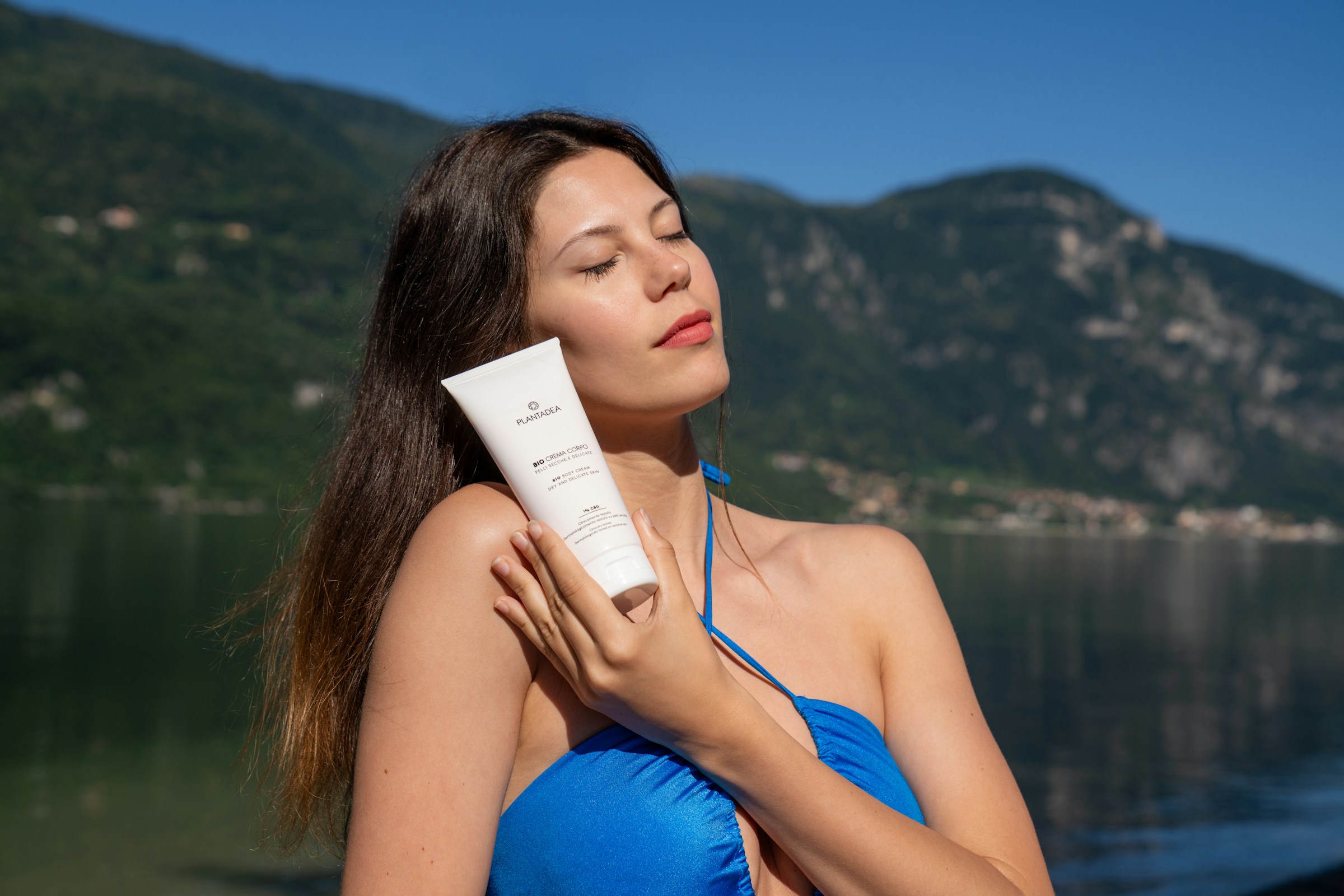
Sun protection tanning is all about enjoying the sun without ending up with an unwanted tan that darkens your skin unevenly or shifts your preferred natural tone. We’ve all done it: going outside on a bright day, appreciating the warmth, and then later realizing that your skin has gotten an unwanted tan. It might be annoying to have uneven patches, darker places, or just a change in your natural tone, especially when you’re trying to keep things level and safe. The reality is that protecting your skin from the sun is the greatest way to stop undesirable tanning. It is your skin’s best shield against the UV radiation that cause it.
What Actually Causes Tanning?
Tanning isn’t only a change in appearance; it’s your skin’s way of protecting itself from UV rays. When UV rays strike your skin, they make melanocytes, which are cells that make melanin, the pigment that darkens skin to protect it from more damage. Most of that deep, long-lasting tan comes from UVA rays, which can get through clouds and windows all year long. These rays also speed up the indications of aging, such as spots and wrinkles. UVB rays, which are strongest in the summer, can cause burns but also help make melanin.
If you can see a tan, it signifies that UV rays have already made it to your skin and started the process. Experts agree that a “base tan” may feel protective, but it actually means damage is building up over time.
How Sunscreen Works to Protect You from UV Rays
Sunscreen doesn’t provide an unbreakable wall, but it does block a lot of UV rays from reaching your skin. For many people, this is enough to significantly diminish or even stop apparent tanning.
Broad-spectrum sunscreens protect against both UVA and UVB rays. Mineral filters, like zinc oxide or titanium dioxide, bounce UV rays away like small mirrors. Chemical filters, on the other hand, absorb UV radiation and turn it into heat that isn’t harmful. SPF 30 blocks about 97% of UVB rays, whereas SPF 50 blocks about 98%. The higher the SPF number, the more UVB rays it blocks. Broad-spectrum compositions with excellent protection make the most difference for UVA, which is the principal cause of tanning.
When you put on enough sunscreen the right way, you minimize the amount of UV rays that hit your melanocytes. That implies less melanin production, slower browning, and often no noticeable tan at all—even after hours in the sun. Dermatologists say that using it regularly and in large amounts will keep your natural skin tone steady for longer, especially if you want to stay pale or have an even complexion.
The Bigger Wins: Beyond Just Avoiding a Tan
Blocking undesirable tanning with sunscreen helps more than keep your favorite color. Every little bit of UV exposure adds up, speeding up photoaging, which causes those fine wrinkles, leathery skin, and obstinate dark spots. Sunscreen makes your skin look smoother, brighter, and younger by blocking sunlight.
It also lowers the chance of major problems like skin cancer, and there is a lot of data that supports frequent broad-spectrum use as a critical way to avoid these problems.
Why Some Tanning Can Still Sneak Through
Here’s the truth: No sunscreen blocks all UV radiation. Even the best alternatives let a tiny amount through, so being exposed for a long time (especially without reapplying) might cause changes over time. Fair or delicate skin may change more quickly, whereas deeper skin tones tan more easily from small amounts of sunlight.
People sometimes make mistakes like not using enough product (most people only use about half of what they need—think of a full shot glass for your body), not reapplying every two hours (or after swimming or sweating), or not receiving broad-spectrum coverage. If you do these things perfectly, you won’t see as much undesired color.
Practical Tips to Maximize Your Sun Protection
Want to enjoy the outdoors without getting a tan? Here’s how to get more out of your sunscreen:
- Choose a water-resistant, broad-spectrum SPF 30+ (or more) that works with your skin type. It might be a lotion, spray, or stick, whichever you would use.
- Put a lot of it on every part of your body that is exposed, like your face, neck, ears, arms, legs, and even the tops of your feet.
- Put it on 15 to 30 minutes before you leave, and then every two hours after that, or sooner if you’re active.
- Layer up your defenses: During the hottest hours of the day (10 a.m. to 4 p.m.), look for shade and wear UPF clothes, wide-brimmed hats, and sunglasses.
- Want a glow without the risk of UV rays? You can get a sun-kissed look without hurting your skin using safe self-tanners or drops. Check out our list of the best tanning drops for all skin types for easy, perfect solutions.
Your Skin Deserves This Daily Habit
Putting on sunscreen every day isn’t about missing out on enjoyment; it’s about keeping your skin safe. Using it every day (even on overcast days or near windows) means less worry about uneven skin tone, slower aging, and skin that stays true to you.
Take hold of the shield. Your skin will appreciate you for it in the future. It will be radiant, even, and naturally shining.