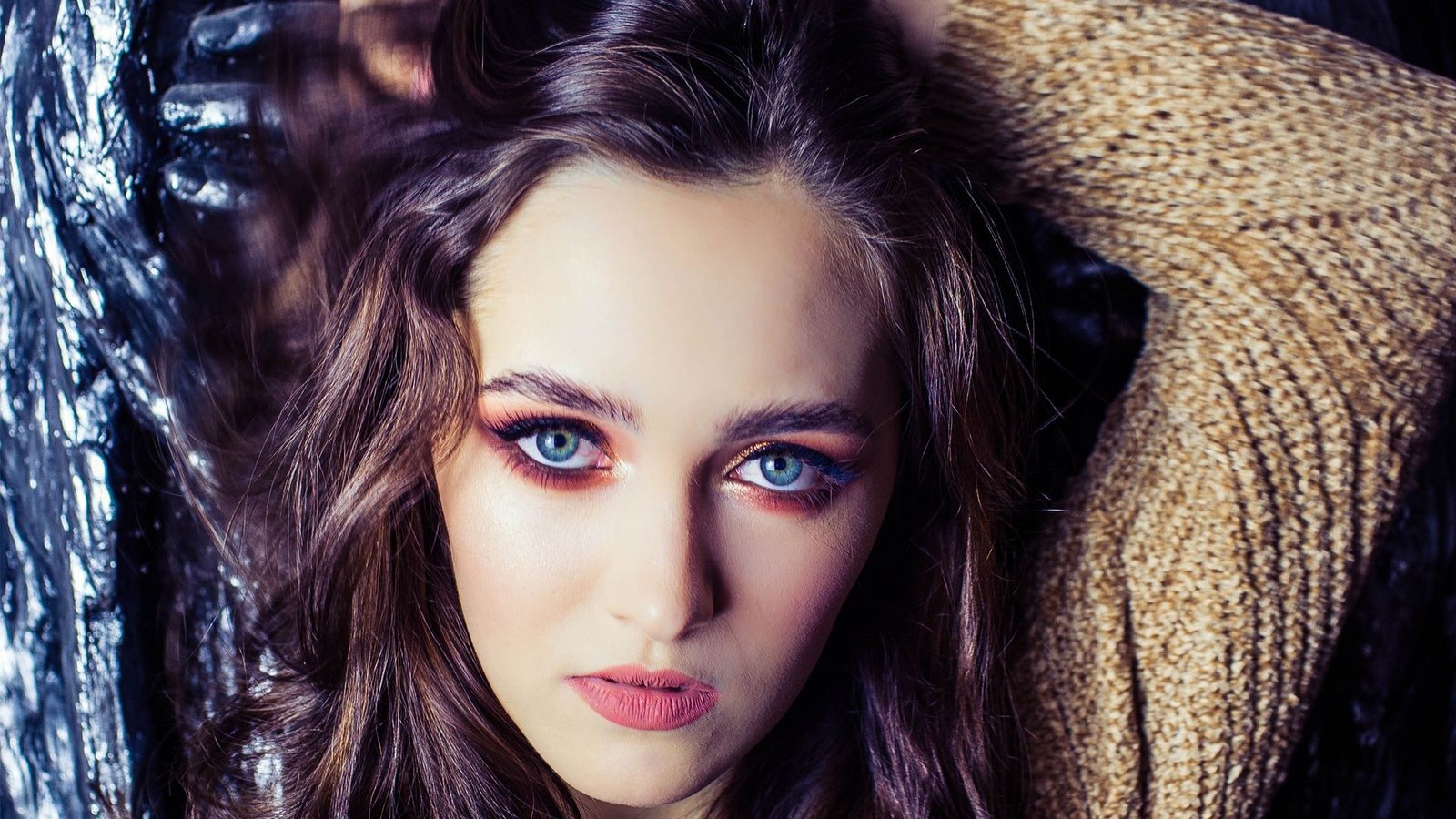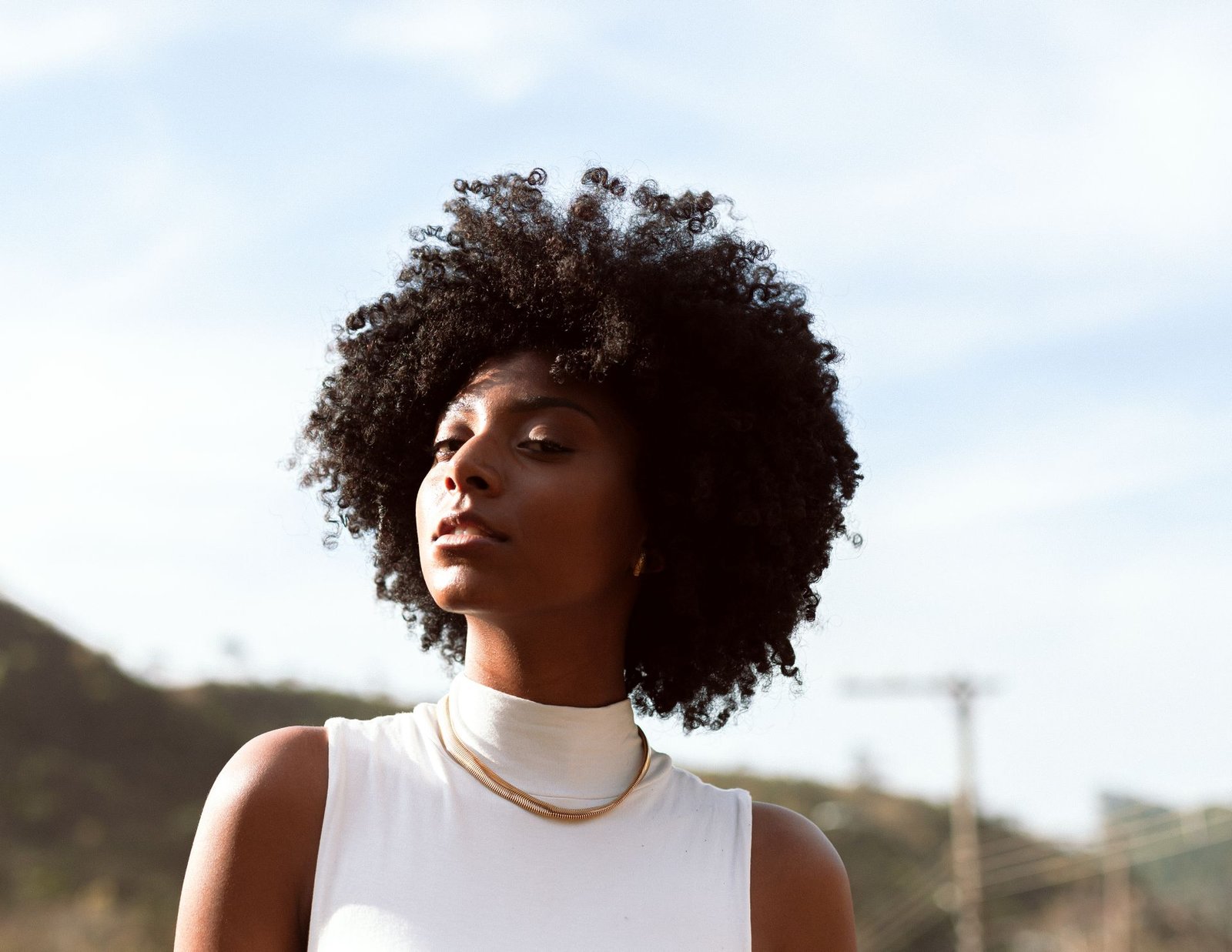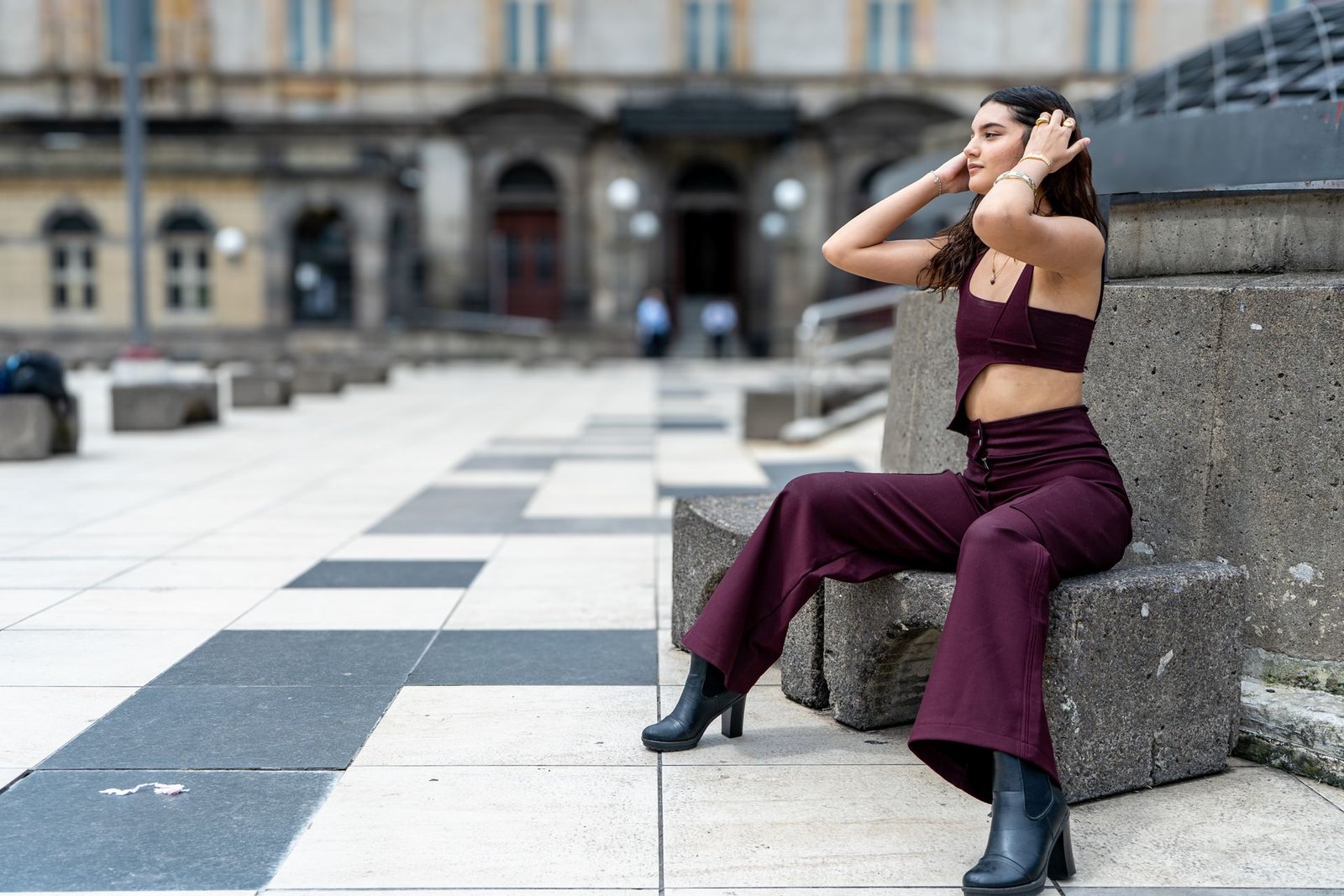
Brunette is back in a big way this year. Salons everywhere are booking glossy, deep chocolate tones instead of the blonde and bronde shades that ruled the last few seasons. But blonde isn’t going anywhere either. It’s just getting smarter. Rooted blonde — dark roots blended into lighter lengths — is having its own quiet moment, mostly because it solves the one thing everyone hates about being blonde: the upkeep.
So which one is actually right for you? Full commitment to chocolate brown, or a softer, rooted take on blonde?
The answer usually comes down to length. On long hair, both colors behave differently than they do on a bob or a lob. Chocolate brown gets more room to move. An espresso base with a few caramel ribbons woven through reads as rich, not flat, once it has extra inches to catch the light. Rooted blonde gets to show off a real root melt. The transition from dark roots to blonde ends has more length to blend gradually, and money pieces — those face-framing blonde strands — have more surface area to shine. Either way, your cut ends up mattering almost as much as your color choice.
Let’s break down both.
Chocolate Brown Hair Color: The Case for Going All-In on Brunette
Chocolate brown is not one tone. It’s a spectrum of tones. Milk chocolate tends to be warm and light in tone. Espresso brown is dark and shiny. Cherry chocolate brings in a touch of wine red that is visible only under direct sunlight. You start with the basic tone and play with the warmth from there.
What makes chocolate brown so irresistible? Well, for starters, fatigue. After many years of being into complicated hair coloring techniques, people are now interested in getting a hairstyle that will be sophisticated without having to call for a colorist all the time. Chocolate brown offers just that. It photographs well without three filters. It looks healthy even on days when it isn’t freshly washed. And because you’re working with your hair’s natural depth instead of fighting it, the color holds its shine longer between salon visits.
It complements many different skin tones, and this is one reason why it is popular. A darker and almost blackish shade of chocolate works great on those with cool skin tones, while warm skin tones complement light milk chocolate shades, which have a bit of a golden hue. If you do not know your skin tone, then you should consult your colorist, who will test a swatch near your jawline.
Maintenance is where chocolate brown really wins. Most people only need a gloss refresh every eight to twelve weeks. Compare that to traditional blonde, which often demands root touch-ups every four to six weeks to avoid an awkward grow-out line. If your calendar is already full, that gap matters.
Not ready to go quite that dark? Copper hair color is worth a look if you want brunette with more warmth and red running through it. It gives you the same low-maintenance brunette base with a completely different personality.
Rooted Blonde: The Case for Keeping Some Blonde with a Softer Grow-Out
Rooted blonde takes the opposite approach. Instead of hiding your natural root color, it works with it. Your colorist leaves your roots dark — usually your natural shade or close to it — then blends into lighter, brighter blonde through the mid-lengths and ends. The result looks intentional, not overdue for a touch-up.
This is the style for anyone who loves blonde but hates the maintenance grind. Traditional all-over blonde needs frequent root work to stay convincing. Rooted blonde flips that. The grow-out becomes part of the design instead of a problem to fix. You can go three to four months between root appointments and still look put together.
It also tends to look more natural overall. A hard, uniform blonde can read as obviously processed. A rooted version looks like something your hair might actually do on its own, just slightly enhanced. That’s a big reason it keeps showing up on people easing out of years of heavy blonde without wanting to shock their whole look.
If you want your blonde warmer and more golden rather than cool and ash-toned, honey blonde is a great variation to bring to your consultation. It pairs especially well with a soft root melt.
Chocolate Brown vs. Rooted Blonde: Side-by-Side Comparison
Here’s the quick version, side by side.
Upkeep: Chocolate brown needs a refresh every 8–12 weeks. Rooted blonde stretches to 3–4 months between root visits.
Cost per visit: Chocolate brown is usually cheaper per appointment since it’s a single-process gloss. Rooted blonde can cost more depending on how much lightening the mid-lengths need.
Hair health: Chocolate brown is gentler on strands since it often adds color rather than lifting it. Rooted blonde still involves lightening, which means more potential for dryness if it’s not maintained with the right products.
Skin tone flexibility: Both work across a wide range of skin tones, but chocolate brown tends to be more forgiving for first-timers experimenting with a bigger color change.
Longevity of the “fresh” look: Chocolate brown holds its richness for weeks. Rooted blonde’s whole design is built to look good even as it grows out, so it technically never looks “wrong,” just gradually softer.
Black Hair to Blonde Roots: When You Want Maximum Contrast
There’s a bolder version of rooted blonde worth mentioning separately: going from black hair to blonde roots — or more accurately, black roots fading hard into blonde lengths. This isn’t the same soft blend described above. It’s a sharper, more dramatic contrast, closer to a deliberate two-tone effect than a gentle root melt.
This look suits people who want their color to make a statement. It works well on longer hair where there’s enough length to let the transition breathe instead of feeling abrupt. If you love drama and don’t mind a more noticeable line between root and length, this is the version to ask for. If you’d rather ease into blonde with something softer and lower-commitment, stick with the standard rooted blonde described above instead.
How These Colors Read on Long Hair
Length changes everything about how a color performs.
On chocolate brown hair, longer strands give balayage more room to move. A few subtle caramel ribbons woven through the mid-lengths won’t get lost the way they might on shorter hair. Instead, they catch the light every time you turn your head, adding dimension without looking like you tried too hard.
On rooted blonde, length is where the root melt really earns its name. Instead of a visible line where dark meets light, longer hair lets that transition stretch out over several inches, so it fades naturally instead of standing out. Money pieces also get more room to frame your face properly when there’s enough length for them to fall the way they’re meant to.
If you’re already working with long layers, this is worth factoring into your color appointment. Ask your colorist how they plan to place the color relative to your layers, not just what shade they’re using.
Pairing Your Color with a Cut
Color and cut aren’t separate decisions. They work together.
A long shag haircut adds built-in movement, which makes root melt and dimensional color show up even more. The layered ends catch light differently than a blunt cut would, so your color choice gets amplified instead of sitting flat.
If shag isn’t your style, longer, more traditional layers work just as well. Check out these 10 layers haircut ideas for options that pair naturally with either chocolate brown or rooted blonde. The right layering can make dimension look intentional instead of accidental.
Which One Fits You?
For minimum maintenance, a luxurious shine, and a well photographed color, chocolate brown should be considered. Those who are bored with root touch-ups every month, rooted blonde should be tried for its radiance without the hassle. For someone who wants to take it to the next level, the black to blonde root contrast should be discussed with the colorist.
Whichever direction you choose, bring photos to your appointment and be specific about your current base color. Both looks depend heavily on your starting point, so what works for someone else’s hair might need real adjustments for yours.
There’s no wrong answer here — just the one that fits your life, your hair, and how often you’re realistically willing to sit in a salon chair.
Frequently Asked Questions
Is chocolate brown hair color hard to maintain? Not really. Compared to blonde, it’s one of the lower-maintenance color choices out there. A gloss refreshes every 8–12 weeks is usually enough to keep it looking rich.
Can I go from rooted blonde back to chocolate brown easily? Yes, and it’s often an easier transition than going the other way. Darkening hair takes less processing than lightening it, so your colorist can typically get you there in a single session.
Does rooted blonde work on dark hair? It works especially well on dark hair. Your natural root color becomes part of the design instead of something to hide, which is exactly what makes the look feel low-maintenance.
Which color lasts longer between salon visits, chocolate brown or rooted blonde? Chocolate brown generally holds its fresh look longer, since it isn’t relying on a visible grow-out line the way blonde styles are. Rooted blonde is designed to grow out gracefully, but it still needs a root refresh sooner than a solid brunette shade does.