Makeup for rosacea works best when it’s light, fragrance-free, and applied in a set order: gentle skin prep, sunscreen, a small amount of color corrector only where redness is strongest, then a sheer base. Skip heavy full-coverage formulas, alcohol-based products, and hard rubbing. Makeup covers redness. It doesn’t treat rosacea.
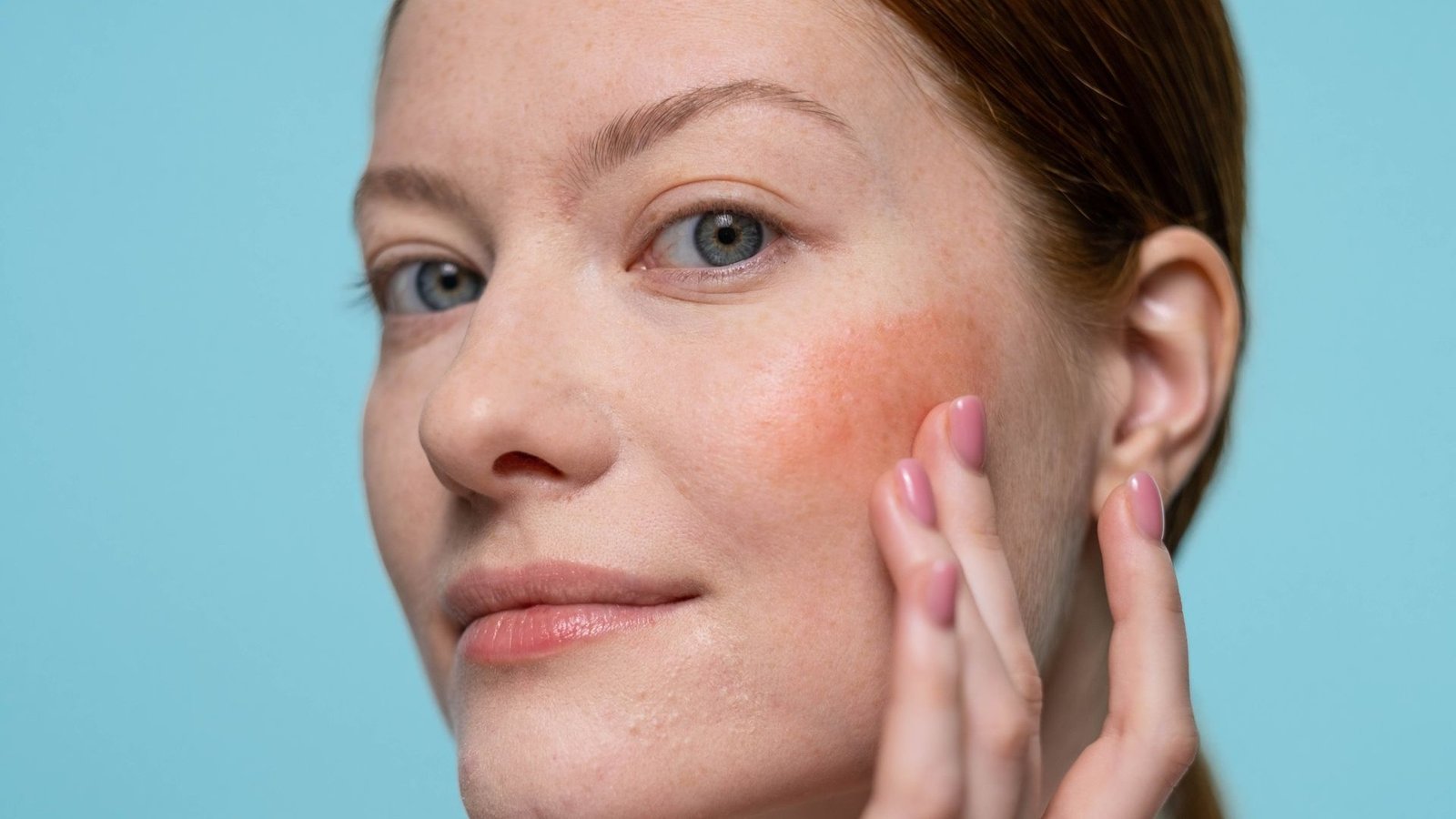
Rosacea redness changes through the day. It deepens after a hot shower, a glass of wine, or a windy walk, then settles again on its own schedule. That shapes how you should build a face. A thick layer of foundation can look fine for an hour, then crack over dry patches and let the red push through. The goal is even, comfortable skin that moves with you.
Rosacea is a long-term condition that cycles between flare-ups and quieter periods, according to the National Institute of Arthritis and Musculoskeletal and Skin Diseases. Medical treatment deals with the condition itself, while makeup only changes how your skin looks. Think of this guide as the cosmetic half of a bigger plan.
Prep and sunscreen come first
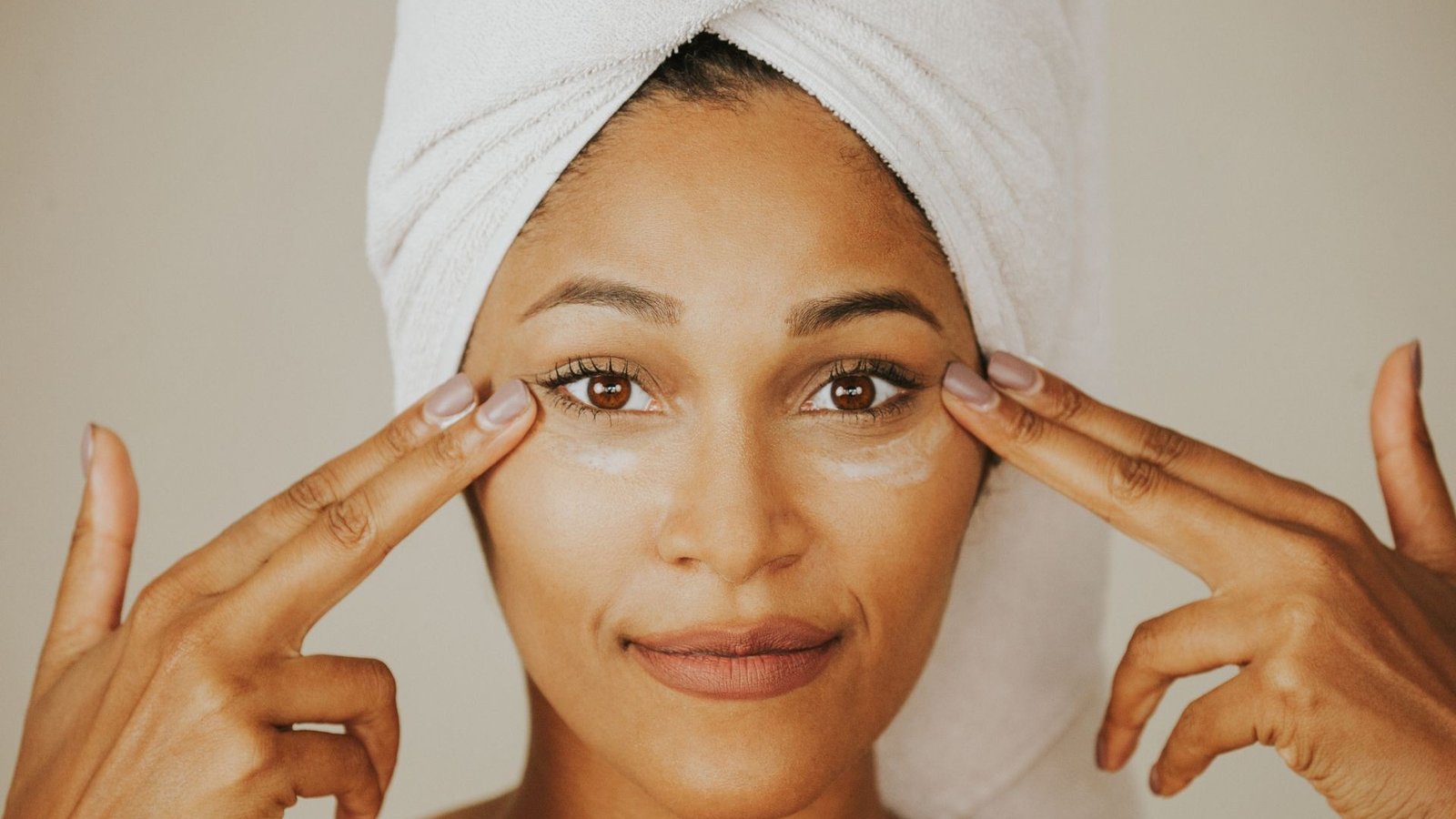
Cleanse with a fragrance-free cleanser and lukewarm water. Hot water is a common flare trigger, and it leaves skin tight and red before you’ve applied anything. Pat your face dry with a clean towel instead of rubbing, then apply a plain moisturizer and give it a few minutes to sink in. Foundation drags over skin that’s still wet or tacky, and dragging is exactly what you’re trying to avoid.
Sunscreen goes on next, every morning. Sun is one of the best-known rosacea triggers, so it isn’t a beach-day step. Many people with rosacea find mineral sunscreens (the zinc oxide or titanium dioxide kind) easier to tolerate than chemical ones, though that varies from person to person. A tinted mineral sunscreen also works as a light base, which can save you a product. Let it set for a few minutes before the next layer.
Color corrector, then a sheer base
Since green and red are opposite colors on the color wheel, green corrector helps to neutralize red skin tone. However, most people apply too much of it. Applying a lot creates a gray or olive complexion under foundation. It should be applied only where redness is concentrated, namely, cheeks, sides of the nose and chin; after this it should be gently tapped with fingertips until it becomes invisible. It should be checked in daylight in the presence of sunlight from the window, not in bathrooms, which conceal mistakes.
If redness is minimal, there is no need for a corrector, and it should be done without one using a tinted base. In the case of rosacea in medium and dark skin tones, it can manifest itself in warm tones, purplish or darker spots, not red.
Select the base color of a skin tone or light to medium coverage foundation with a natural matte finish. Add coverage only where needed. Thick formulas can settle onto dry areas and emphasize texture while rosacea prone skin tends to be both dry and bumpy. Apply using clean fingers, wet sponge or soft brush, pressing and not brushing. Brushing the skin causes irritation and brings the flush right back.
Concealer is applied last and only to blemishes. A small brush, dot and leave technique is recommended; repeatedly applying to the same area will lift the underlying product.
Use minimal amount of powder. Applying a thin veil of powder down the center of the face is usually sufficient and loose finely milled powder is preferable to pressed powder. If using a setting spray, always check for alcohol content.
Blush and the rest of the face
It is counterproductive to add color to an already red face, but a touch of blush will make sure that all your other makeup does not look like it belongs to a mask. Choose a light peach or rose color in cream or finely milled powder and apply it on the cheekbones slightly above the redness. This will ensure that the two colors do not mix to form one large area of pink. When applying bronzer, go for a matte and scent-free formula.
Eye makeup when rosacea reaches the eyes
Rosacea can affect the eyes and eyelids as well as the skin. If your eyes feel gritty, dry, itchy, or watery, or your lids look swollen, mention it to a doctor. Eye makeup is the first thing to scale back while that’s going on.
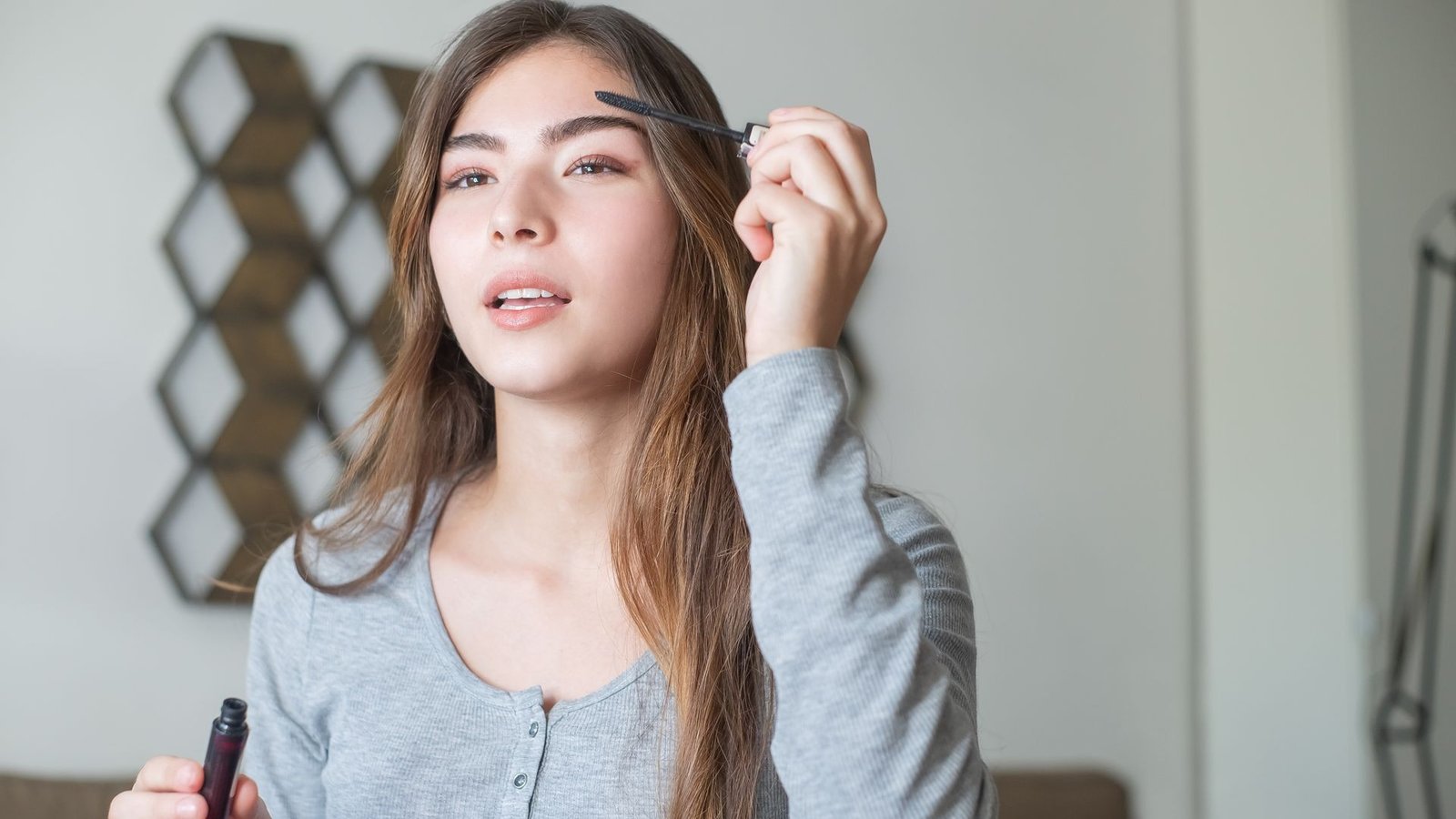
When your eyes are comfortable, fewer and gentler products work best. A tubing mascara is one good option because it comes off with warm water and no tugging. Our guide to mascara that won’t irritate sensitive eyes goes through formulas worth trying. Avoid waterproof formulas that need scrubbing off, glitter shadows, and anything with fragrance near the lash line.
What to skip
Typical offenders are fragrance, denatured alcohol, menthol, camphor, and essential oils found high up on the ingredient listing. Scrubs and rough sponges are also triggers as well as the use of cosmetics in a humid bathroom. Allergic responses vary greatly from individual to individual, and one should always patch test a new cosmetic product around the jaw area over several days prior to putting it on the face. Only add one product at a time. If you apply three at once and break out, you’ll never know which one triggered the response.
A simple order for the morning
Cleanse with lukewarm water, moisturize, then apply sunscreen. Dab corrector on the strongest patches of redness, then tap on a sheer tint. Add concealer only where you need it, a touch of cream blush, and a light dusting of powder through the center of the face. That’s the whole routine, and it’s meant to take about as long as making a coffee.
Taking it off, and when to get your skin checked
Removal trips up more people than application. Use a gentle, fragrance-free cleanser or micellar water on a soft cotton pad, and press instead of scrubbing. Skip alcohol-based removers and hot water. For eyes, hold a warm, damp pad on the lid for a few seconds so the makeup loosens before you wipe. If you wear tubing mascara, you can remove it without wipes using warm water alone.
See a dermatologist if redness hangs around for weeks, you get bumps that look like acne, your nose or cheek skin starts to thicken, or your eyes hurt. Rosacea is easy to mistake for acne, eczema, or a reaction to a product, and treatments exist that no amount of makeup can replace. This article is general beauty advice, not medical advice.