To get rid of dark circles, first work out which type you have. Bluish or purple circles come from visible blood vessels and respond to cold and rest. Brown circles are pigment, so sunscreen and brightening ingredients help. Shadows from puffy lids or hollows need a different fix, and sometimes a doctor.
Most advice on how to get rid of dark circles hands you one long list of tips and leaves you to guess which ones apply. That’s why plenty of people spend months on an eye cream and see no change. A cream that targets pigment won’t do much for a shadow, and a cold spoon won’t do much for brown skin. Sorting out your type first saves time and money.
Many people have more than one type at once. If that’s you, treat the bigger one first and add the second later.
Work out which type you have
Stand near a window in daylight with a mirror and look at the color. Blue, purple or pink tones suggest blood vessels showing through thin skin. Brown or tan tones suggest pigment. If you can’t see much color and the area just looks dark or sunken, shadow is the likely cause. Mayo Clinic’s list of common causes covers all three, along with causes like genetics, eczema and sun exposure.
These two simple tests can be performed to determine what is happening. Stretch the skin below one of your eyes using your finger. When the color fades as it stretches, it may mean that the vessels are causing it. Otherwise, pigmentation may be the cause. The next thing to do is to hold the light of your phone directly below your chin, facing upwards, or turn your face towards the window. When the dark patch becomes less prominent with the appearance of light inside the hollow, there is a shadow effect. These checks are rough guides and not a diagnosis, but they point you in a useful direction.
If your circles look blue or purple
Your eye area has thin skin and the blood vessels underneath become visible when you are tired. According to the Mayo Clinic, an insufficient amount of sleep does not lead to dark circles on its own, but it can accentuate the existing circles. Sleep makes you look fresh. However, it will not get rid of your circles.
Cold treatment is the most effective way to deal with your problem. The cold will shrink the blood vessels for some time. Place a cold and wet compress or put frozen peas wrapped in a soft cloth on the problem area for several minutes. You can use a chilled spoon instead. It is advisable to place a cloth between the ice and your skin in order to avoid irritation of the skin. It is most effective to perform this procedure in the morning, before makeup.
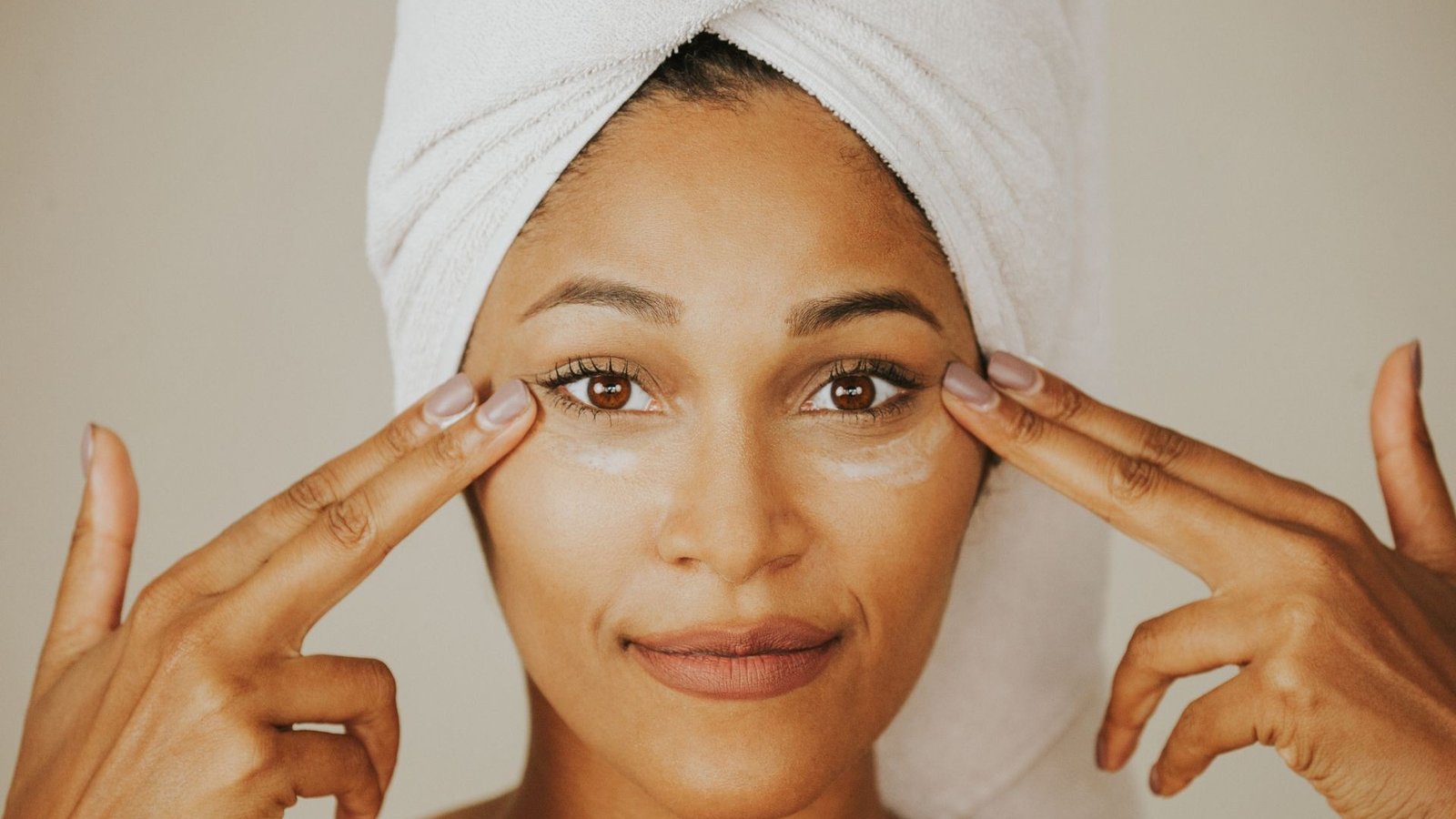
For something you can leave on, look at eye patches and gels with caffeine or vitamin K. Mayo Clinic says studies have shown those ingredients reduce the look of dark circles to some degree. It also points out that none of these patches are regulated by the FDA, so expect a modest result.
If your circles look brown
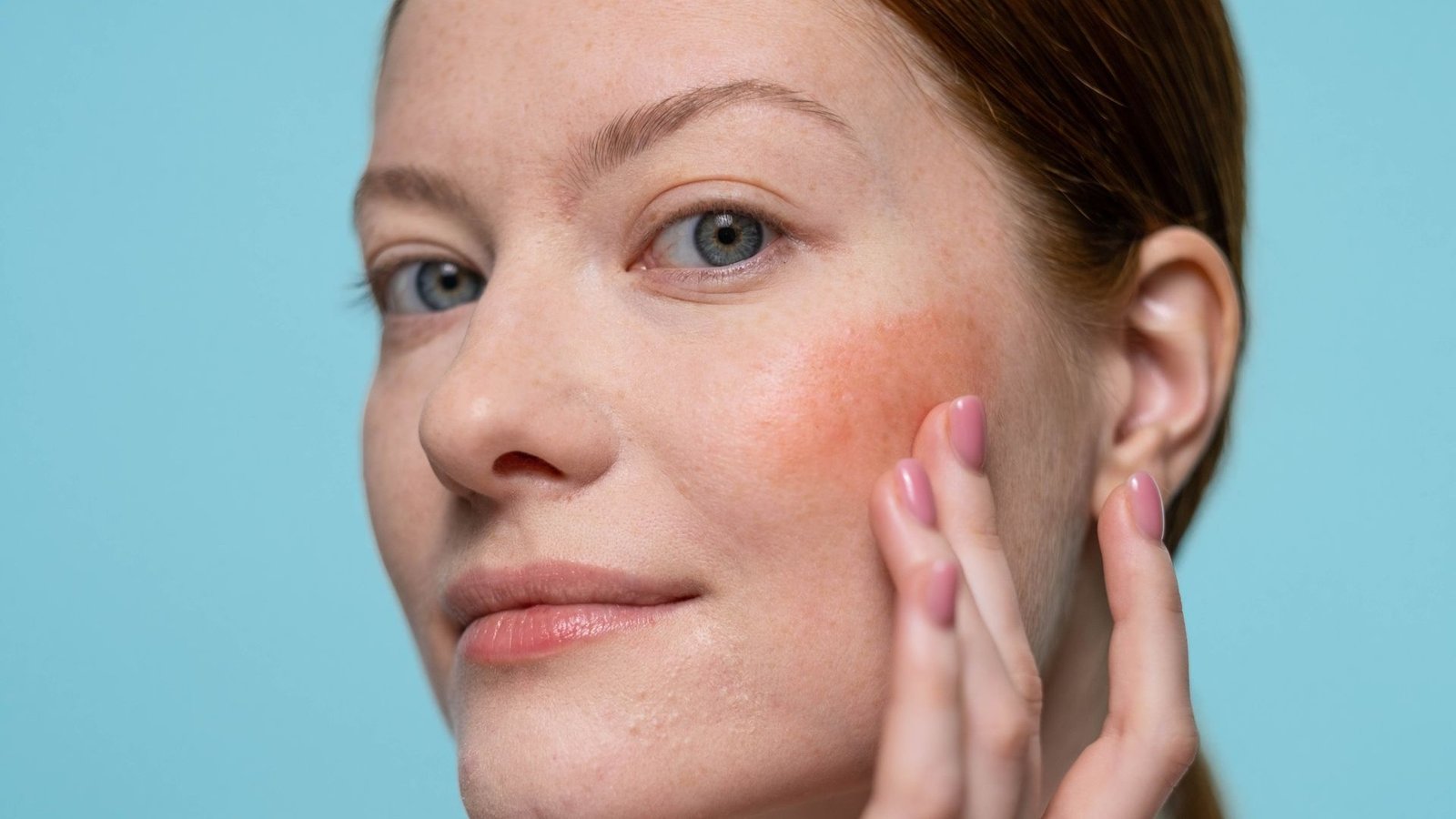
Brown circles come from extra pigment in the skin. Mayo Clinic ties this to melasma and to darkening that follows irritation or inflammation, both more common in people with brown or Black skin. Sun makes pigment darker. So does rubbing and scratching, which is why itchy, allergy-prone or eczema-prone eyes often come with darker skin underneath. If itching drives the rubbing, getting the allergy or eczema under control with a doctor comes first, because every rub adds to the problem. Take eye makeup off gently, with no scrubbing, for the same reason.
Sunscreen is the first fix. Wear a broad-spectrum SPF 30 or higher around your eyes every day, including cloudy ones, and reapply every two hours if you’re outside or sweating. Sunglasses protect the area further. Our guide on how sunscreen prevents unwanted tanning explains why daily SPF matters for uneven tone.
Once sunscreen is a habit, add one brightening product. Eye patches with kojic acid are one option Mayo Clinic mentions. Bring in a single new product at a time and give it a few weeks, because pigment fades slowly and you can’t tell what’s working if you change three things at once. If you don’t have a basic routine yet, our regimen for skin care guide shows what to start with before you add an eye product.
Stubborn pigment is where a dermatologist comes in. They can prescribe creams and offer peels or laser treatments, and which one fits depends on your skin.
If it’s a shadow
Some cases of dark circles do not involve any issue with skin pigmentation. When there is a swollen eyelid, then the shadow of it falls under it. Hollows formed under the eyes also create shadows like this. This condition is worse in overhead lighting and better in diffused and even lighting. This information can be helpful to identify this condition.
Puffiness can be dealt with by sleeping with the head elevated to a high level using extra pillows. In a lying down position, fluid tends to accumulate in the lower eyelids. Cold compresses also work well for this condition. Mayo Clinic suggests heavy drinking and smoking as causes of this condition as well. This can be tried for this condition.
Hollow is a whole other story, and nothing is filled with any cream. The dermatologist can perform the cosmetic procedure of filling the hollow, which is causing the shadow using fillers. Surgical procedure can help with puffy eyelids. Both are cosmetic procedures with costs and risks, so book a consultation before you decide anything.
Covering dark circles on any type
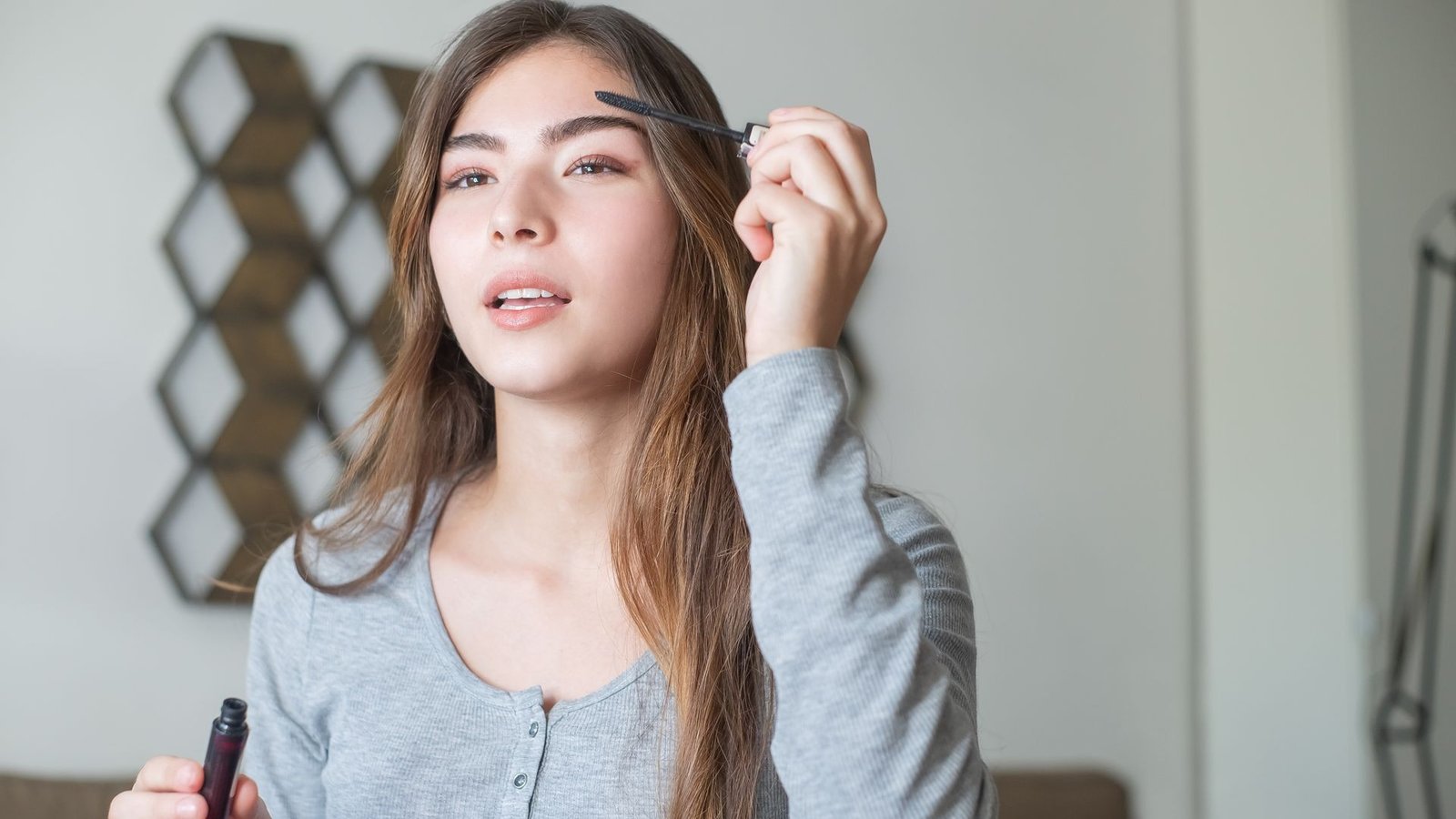
Makeup works on every type, and the right product depends on the color you’re covering. Color correctors work on opposites. A peach or orange tone cancels blue and purple. Brown circles on deeper skin often need a deeper orange or red-toned corrector. For shadows, a concealer one shade lighter than your skin lifts the hollow. For the other types, a concealer that matches your skin is enough.
Use less than you think. Pat a thin layer only where the skin is dark, using your ring finger, and let it settle before you add more. Thick layers crease into fine lines and make the area look drier. The order in our makeup for rosacea guide carries over here: gentle skin prep, sunscreen, then a small amount of color corrector.
When to see a doctor
Dark circles are normally not a health issue. The Mayo Clinic suggests seeking the advice of a doctor in case of appearance under only one eye that is worsening. After trying home remedies and products for a while without any results, a dermatologist will be able to diagnose what kind of dark circles they are and which remedy works best – be it prescribed cream, peels, lasers or fillers.
The next time you find yourself close to a window, look into the mirror during the day, do both tests, and choose the one fix that suits. Give it a fair run before you add anything else.