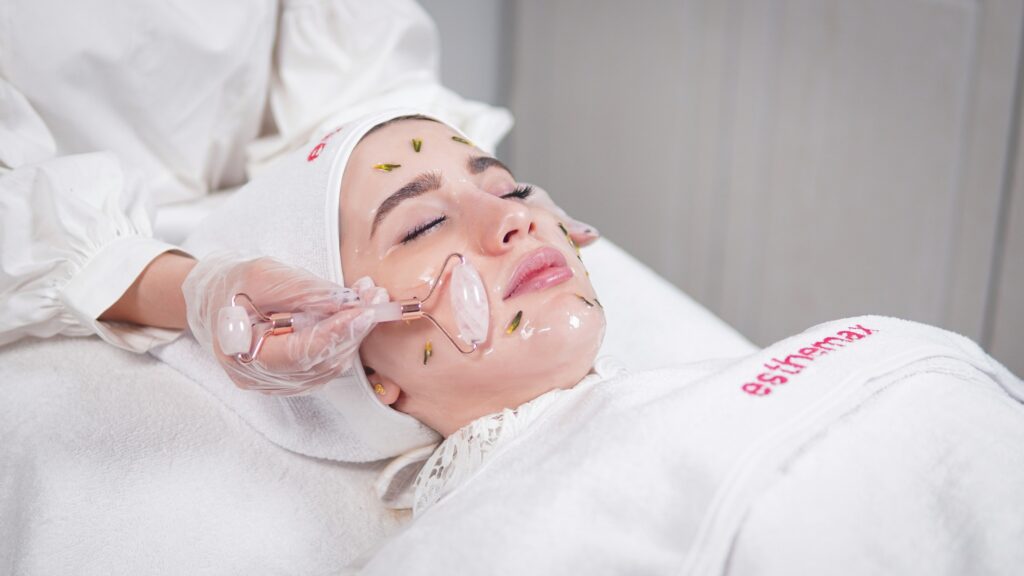
Are you ever amazed with the beauty of Korean women’s skin? It’s not because of genetics only. It’s about the perfect skincare routine that has been invented by Koreans and is followed throughout the world at present.
Korean treatment for skin has become a sensation all over the world. In 2026, they became more developed, accessible, and effective than ever. No matter whether you are new in this sphere or already have ten serums in your collection, you will find everything you want to learn here.
So, let us start.
What Makes Korean Skin Treatment Different?
Korean skincare is more than just the application of skincare products. Korean skincare is an ideology.
In western skincare, efforts are made when there is a problem, but the Korean method is the opposite of that. They use the concept of prevention, hydration, and regularity. This helps to keep the skin safe from any damage beforehand.
Also, the Korean dermatology clinics are renowned worldwide. South Korea boasts some of the best skin clinics among all nations, and they offer results like nothing else.
The result? That iconic glass skin — clear, luminous, and almost translucent.
The Core Philosophy Behind Korean Treatment for Skin
Before proceeding to the specific treatments, one needs to be aware of the three core elements of K-beauty:
1. Moisturizing comes first Almost all skin problems according to Koreans, whether it’s acne, dullness, or even fine lines – all have been caused by dehydration. The way out from the problem is by adding moisture rather than taking it away.
2. Layering, not heavy moisturizing Koreans use several thin layers of moisturizers as opposed to one thick layer. In addition, each layer is completely absorbed before applying another layer.
3. SPF is non-negotiable Korean women treat sunscreen as the single most important step in any routine. No Korean skin treatment is complete without daily sun protection. It prevents pigmentation, aging, and uneven skin tone. If you want to understand how sunscreen protects your skin from unwanted tanning and UV damage, that principle is deeply rooted in K-beauty culture.
The Famous Korean Skincare Routine — Step by Step
This skincare ritual consists of up to 10 steps. Not all of these steps should be performed daily. Knowledge of each of them will help you create a proper routine.
Step 1: Oil Cleanser
This is the first step of the skincare. Oil cleanser washes off the sunscreen, makeup, and sebum. It penetrates deeply into the pores without drying the skin as oil dissolves oil.
Step 2: Water-Based Cleanser
After that, you should use some foam or gel cleanser. It is meant to remove sweat, dirt, and any other water-based impurities. These two steps combined together are called the double cleanse and they are essential for Korean skin care treatment.
Step 3: Exfoliator (2–3 times a week)
Instead of using scrubs, Koreans choose gentle chemical exfoliators. Such ingredients as BHA (Salicylic acid) or PHA eliminate dead skin cells and open the pores.
Step 4: Toner
Contrary to Western toners, Korean toners do not dry out the skin. They are moisturizing, pH balancing and skin-prepping. They get your skin ready to absorb everything that comes next.
Step 5: Essence
The essence is the core of Korean skincare routine. It’s light and loaded with active ingredients that provide deep cellular hydration. Fermentation extracts such as snail mucin, galactomyces, and rice water are frequently found in essences.
Step 6: Serum or Ampoule
This step focuses on addressing the skin issues. If you want radiant skin, add vitamin C serum. For pore refining – apply a niacinamide serum. For anti-aging – choose a retinol serum.
Step 7: Sheet Mask (2–3 times a week)
The sheet mask application is a unique aspect of Korean skin care routine. In this step, you leave the mask on the skin for 15-20 minutes while the skin absorbs all active ingredients.
Step 8: Eye Cream
Eye area is the most delicate on your face. Ginseng, caffeine, and ceramides are active ingredients used by Koreans in their eye creams.
Step 9: Moisturizer
Lock in all the previous layers with a moisturizer suited to your skin type. Korean moisturizers tend to be lightweight but deeply nourishing. If you’re looking for a base that works beautifully on top of this kind of routine, explore options like the best tinted moisturizers for all skin types that complement K-beauty layering perfectly.
Step 10: SPF (Morning Only)
Finish your morning routine with sunscreen. Always SPF 50+. Korean sunscreens are some of the best in the world — lightweight, non-greasy, and often with a skin-perfecting finish.
Key Korean Skincare Ingredients You Need to Know
The ingredients used in Korean skincare have been discovered by most Western brands only recently.
Snail Mucin – Rich in glycoproteins and hyaluronic acid. It helps repair damaged skin and removes scars.
Centella Asiatica (Cica) – A plant-based medicine that has anti-inflammatory properties. Suitable for sensitive and acne-prone skin.
Niacinamide – Minimizes pores and regulates oil production. Also evens out skin tone.
Fermented Ingredients – Helps ingredients work better and penetrates deep into the skin. Check for galactomyces and bifida ferment lysate.
Ginseng – The mainstay ingredient in Korean beauty for many years. It improves circulation and prevents oxidative stress.
Rice Extract – Evens out skin tone and makes skin brighter. One of the oldest secrets of Korea.
Hyaluronic Acid – Able to retain up to 1,000 times its own weight in water. Very important for youthful-looking skin.
According to the American Academy of Dermatology, a consistent, gentle skincare routine with proven ingredients is the most effective way to achieve and maintain healthy skin — something K-beauty has understood for decades.
In-Clinic Korean Skin Treatments Worth Knowing About
Home regimes are very effective. However, skin treatment clinics in Korea push this method further.
Microneedling
It involves making tiny injuries on the skin through tiny needles. This activates the healing system in the body leading to increased collagen production. The effect is remarkable – smooth skin, less scarring, and firm skin. If you want to see real results, take a look at microneedling before and after transformations for glowing skin to understand what this treatment can realistically deliver.
Laser Skin Resurfacing
Laser treatments in Korean clinics are famous because of their high-quality. Procedures such as Fraxel and IPL treat problems with pigmentation, sun exposure, and uneven skin. In Seoul, it costs much less than in the West — usually about 40–70% lower.
HydraFacial (Korean Version)
In Korea, the HydraFacial involves three processes: cleansing, exfoliating, and infusing the serum in one procedure. The procedure is named “glass skin facial” and is one of the most popular procedures in Seoul.
Exosome Therapy
One of the main breakthroughs of 2026 in skincare is an exosome therapy. This type of treatment uses cell messengers to help regenerate your skin and decrease the visibility of fine lines. Korean clinics are ahead in this technology.
Botox and Facial Slimming
Masseter Botox — injections into the jaw muscle — is extremely popular in Korea. It creates a slimmer, more V-shaped face. If you’re curious about this treatment, check out masseter Botox before and after results to get a realistic idea of what to expect.
Korean Skin Treatments for Every Skin Concern
Everyone’s skin isn’t the same, and Korean skincare embraces this diversity. This is how you should go about doing it depending on your skin type.
Acne-Prone Skin
Your focus here should be on BHA cleansers, centella ampoules, and niacinamide serums. Stay away from heavy creams. Use non-comedogenic and oil-free moisturizers. Tea tree or mugwort sheet masks help in calming down active acne.
Dry Skin
Use toners, essences, and sleeping masks. Try to get products which contain ceramides and hyaluronic acid. Use a rich cream moisturizer at night to seal in all the hydration you’ve been working hard for.
Oily Skin
Always double cleanse your skin. Use light gel-based moisturizers. Niacinamide regulates sebum production. Use toner pads with AHA and BHA to keep pores clear without over drying.
For Aging Skin
Prioritize peptides, retinol, and ginseng. Incorporate a vitamin C serum in the morning for brightness and collagen support. Consider exploring the best foundation for mature skin that works harmoniously with anti-aging Korean skincare layers underneath.
For Dull or Uneven Skin Tone
Rice extract toners and vitamin C serums are your best friends. Pair them with consistent SPF use to prevent further pigmentation. A brightening sleeping mask twice a week accelerates results.
How to Build Your Own Korean Skin Treatment Routine
You don’t need to do all 10 steps from day one. Start simple and build gradually.
Beginner routine (4 steps):
- Oil cleanser + water cleanser (double cleanse)
- Hydrating toner
- Lightweight moisturizer
- SPF (morning)
Intermediate routine (6–7 steps): Add an essence, a targeted serum, and a sheet mask 2–3 times a week.
Advanced routine (8–10 steps): Add eye cream, ampoule, and a sleeping mask on alternate nights.
The key is consistency. Results from Korean skincare don’t happen overnight. Most people see a noticeable difference within 4–6 weeks of sticking to a routine.
At-Home Korean Beauty Tools That Elevate Your Routine
Korean skincare is not just about using products. It also involves tools.
Gua Sha – A facial massager that improves circulation, reduces puffiness, and contours your face. An essential part of the Korean beauty regime.
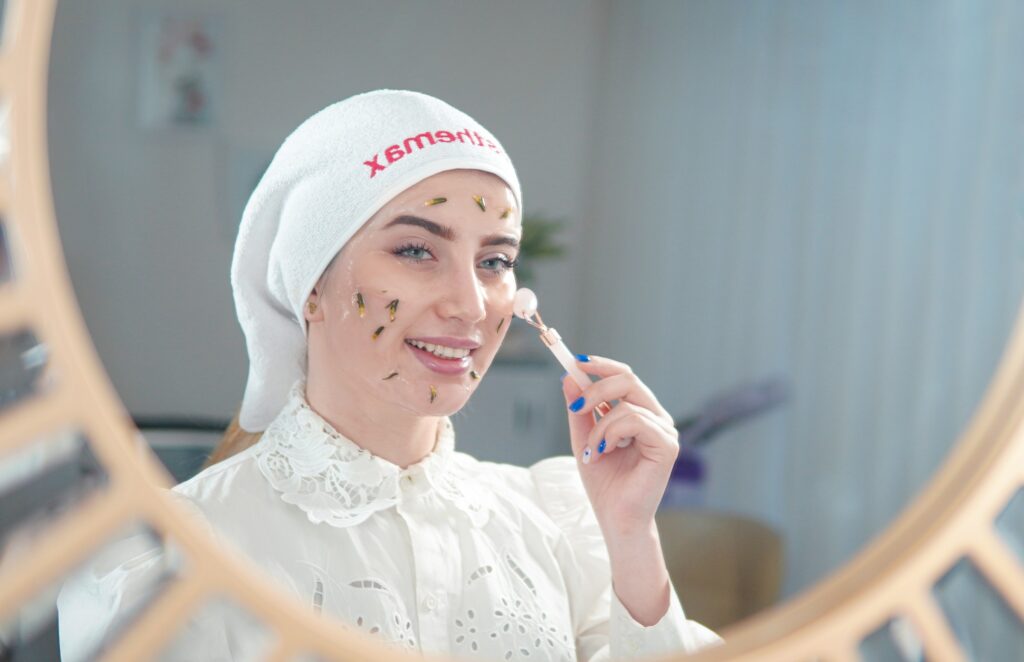
Facial Roller – Gua sha with jade or rose quartz rollers aids in deep penetration of products while reducing puffiness.
LED Light Therapy Masks – Red light stimulates collagen production. Blue light kills the acne causing bacteria.
Tweezers and Brow Tools – Groomed brows are a major part of the Korean beauty look. Having the right tools matters. Check out the best tweezers for perfectly shaped brows to keep your facial framing sharp and polished alongside your skincare.
What to Expect From Korean Skin Treatment Results
Patience is key to K-beauty.
Week 1–2: Your skin adapts. Increased hydration and softness will be noticeable.
Week 3–4: Tone is becoming more even. Pores become tighter. Your skin looks more alive.
Week 6–8: Glow starts to kick in. Acne decreases. Skin barrier is stronger.
Month 3 and beyond: This is when the real magic takes place. Regular users have reported much clearer and more radiant skin that looks younger.
K-beauty requires patience and effort – but it is completely worth it!
Final Thoughts
Skin care in Korea is not a fad. It is a method that has been embraced by millions of people across the globe because of its proven effectiveness.
This method is soft on your skin, uses modern ingredients, and shows impressive results. It does not matter whether you begin with just a double cleansing method or you adopt all the ten steps; what matters most is that you begin.
Your skin deserves the best. And the year 2026 has never been a better time to embrace the Korean method of skin care.
Want to go deeper into your beauty routine? Explore our full Beauty section for more expert tips, product guides, and skincare secrets.