My hands know a French braid as easily as they know how to lace up shoes. No thinking involved. A waterfall braid, though? I stand in front of the mirror and think, wait, how is this hair just falling out like that? Well, it turns out that it’s just a variation of the same braid. The fishtail braid is the exact opposite issue: so easy to understand but incredibly difficult to master quickly – my arms are sore before I get half of the way through!
This is really the difference between the two braids and not the one that is mostly mentioned in the round-ups online. Waterfall braid and fishtail braid may seem like cousins at first, but they have completely different behaviors when your hands are actually in your hair. Here’s how the two differ if you have long hair and cannot make up your mind about choosing one.
What a Waterfall Braid Looks Like
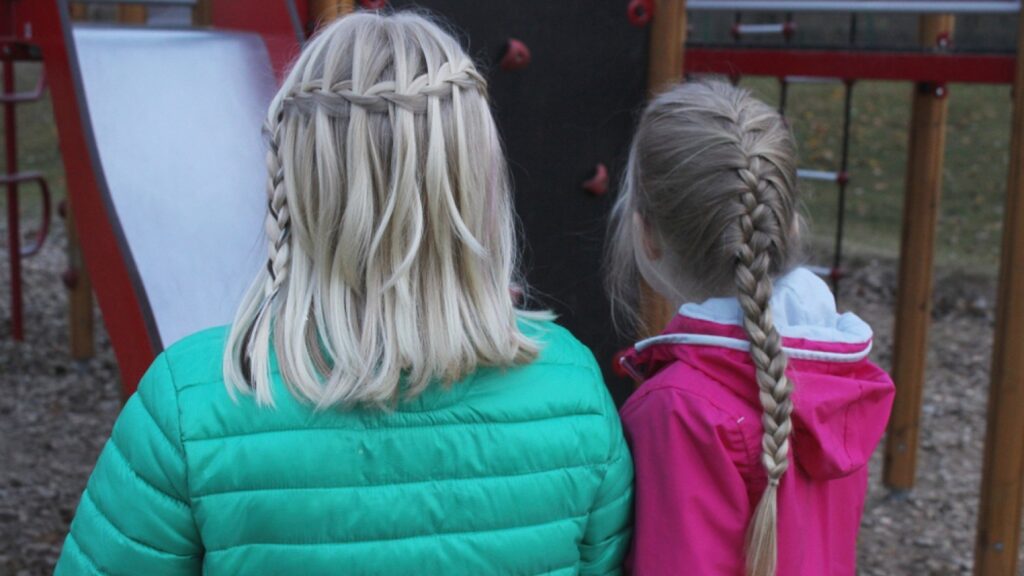
The waterfall braid goes sideways across your head rather than down through it. You make a three-strand braid in the usual way, but whenever you are supposed to bring that bottom strand into the braid, you let it go and pick up another strand from under there instead. The strand you let go dangles freely as the braid continues going sideways. With long hair, the dangled strands have enough space to form soft waves, which is exactly why the style photographs so well for spring weddings and warm-weather events.
It seems difficult. It really isn’t. It’s a French braid with one variation, and once your fingers get the hang of that variation, it goes quickly.
What a Fishtail Braid Looks Like
A fishtail only uses two sections, not three. You pull a thin strand off the outside of one section and cross it into the other, then repeat on the opposite side. No middle strand to track, no pattern to memorize — just two sides trading tiny pieces back and forth, over and over.
The technique isn’t the hard part. The patience is. Each piece you cross is small, so a full fishtail down long hair eats real time, and your shoulders will let you know about it by the end. What you get in return is a herringbone texture that reads as far more intricate than it actually is to make.
The Real Differences, Side by Side
Skill level. A waterfall braid builds directly on the French braid, so if you already know that one, you’re most of the way there already. A fishtail asks for repetition before it clicks, especially the first handful of tries, while your fingers adjust to working in twos instead of threes.
Time. A waterfall moves quickly, since you’re only braiding a portion of your hair at any moment. A fishtail takes noticeably longer on long hair — every section is small, and there are a lot of them.
Occasion. A waterfall leans romantic and half-up, so it suits weddings, garden parties, or any day you want hair down but still controlled near your face. A fishtail feels more everyday. Wear it full-length, side-swept, or tucked into a low ponytail for the office.
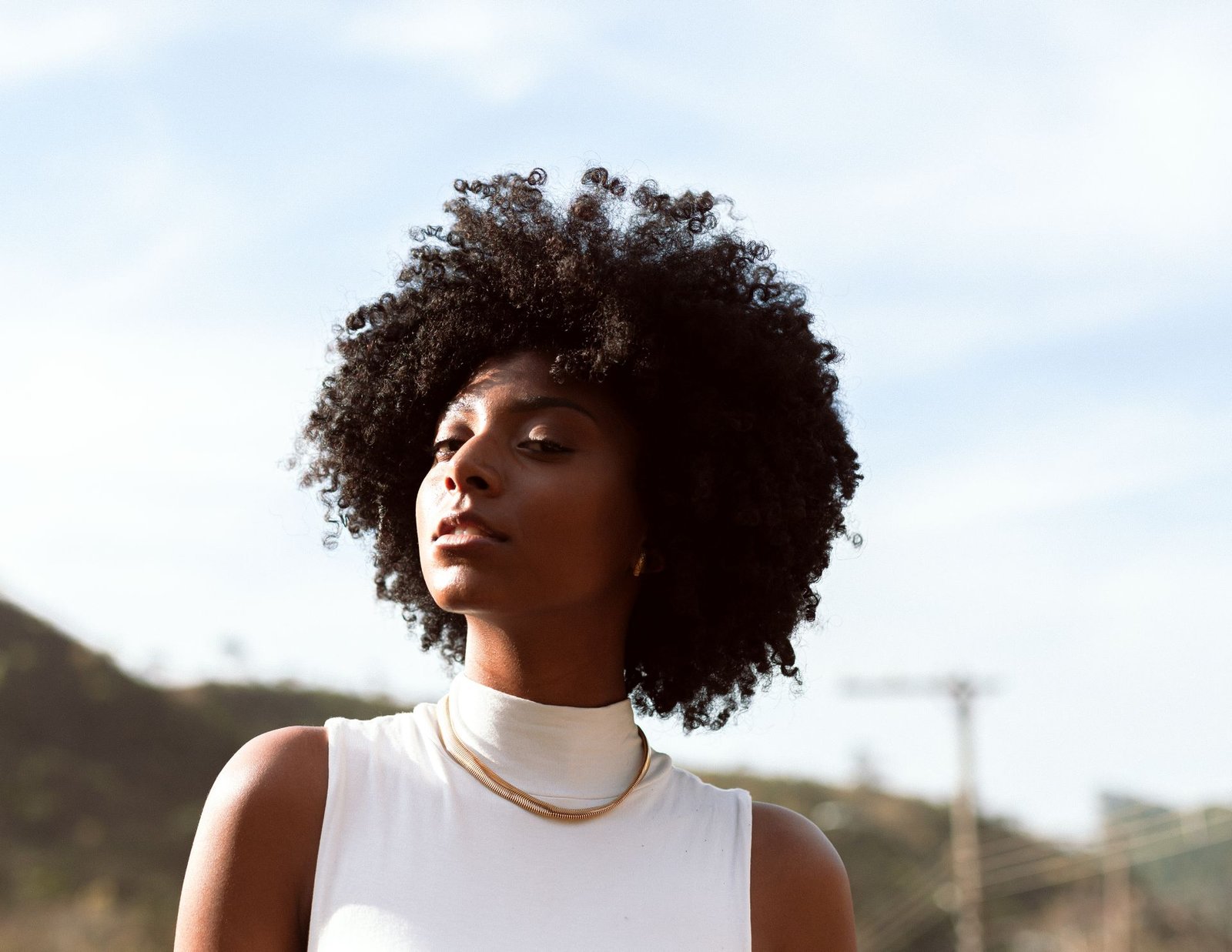
Hair type and texture. Waterfall braids show off best on hair with some natural wave, since the dropped sections need a bit of bend to get that cascading look. Fishtails prefer straighter, sleeker strands, where the herringbone pattern stays crisp instead of blurring into frizz. If your natural texture runs curlier, coily hair and a defined 3B curl pattern actually hold both styles beautifully, since the curl does half the gripping work for you.
How long it holds. A fishtail stays neat longer, since every section locks into the weave as you go. A waterfall loosens faster, because those dropped strands are hanging free by design.
So Which One Should You Actually Pick?
Choose a waterfall braid when you want something that looks special without eating your whole morning, and your hair already carries some natural bend. It wins for events where you want hair down but still shaped.
Choose a fishtail braid when you’ve got the patience for a slower style and need something that survives a full workday. It’s also the stronger call on fine or straight hair, since the tight weave supplies structure your strands might not hold on their own.
Can’t decide? That’s not indecision; that’s just being honest about your mornings. Save the waterfall for occasions and keep the fishtail as your reliable weekday option. And on days when neither braid fits the schedule, easy updos for long hair cover the same “look put-together, spend five minutes” territory.
A Few Things That Make Either Style Easier
Second-day hair braids better than fresh-washed hair — the extra grip keeps flyaways from sneaking loose. A light texturizing spray does the same job if your hair’s freshly clean.
Start looser than feels right, especially with a waterfall. A tight first pass fights the whole point of the style, which is that soft, cascading drop.
New to fishtails? Set up two mirrors so you can actually see the back of your head. It looks excessive. It cuts the learning curve in half anyway.
Healthy, hydrated hair braids cleaner than dry, brittle strands, so a solid leave-in conditioner in your routine pays off here too, not just on wash day. And if you’re working with curtain bangs or shorter face-framing layers, expect a few pieces to slip loose no matter what braid you choose. Let them. They soften the whole look instead of ruining it.
Quick Answers to What People Actually Ask
Can you combine the two? Yes, and plenty of people do. Start a waterfall at the crown, then finish it off as a fishtail lower down. You get the romantic drop up top and the sturdier hold underneath.
Which one survives a workout? The fishtail, no contest. That tighter weave holds up to movement in a way a waterfall — built for looking soft, not staying locked — can’t match.
Do you need long hair for either one? You’ll get the best results with length, since both styles depend on it to show off their pattern. Fishtails can work on shorter hair in a pinch. Waterfall braids really can’t; those dropped sections need somewhere to fall.
Does natural texture help or hurt? Helps, mostly, especially with a waterfall. If your hair falls flat and needs a boost, prepping with heatless curls the night before gives the dropped sections something to hold onto.
The Bottom Line
Neither braid beats the other — they solve different mornings. A waterfall gives you a fast, romantic look built for hair with texture to spare. A fishtail rewards patience with a braid that holds its shape all day, no matter what your hair type. Try both once. Pay attention to which one your hands pick up faster and which one your hair actually wants to do. Let that decide it, not a trend cycle.