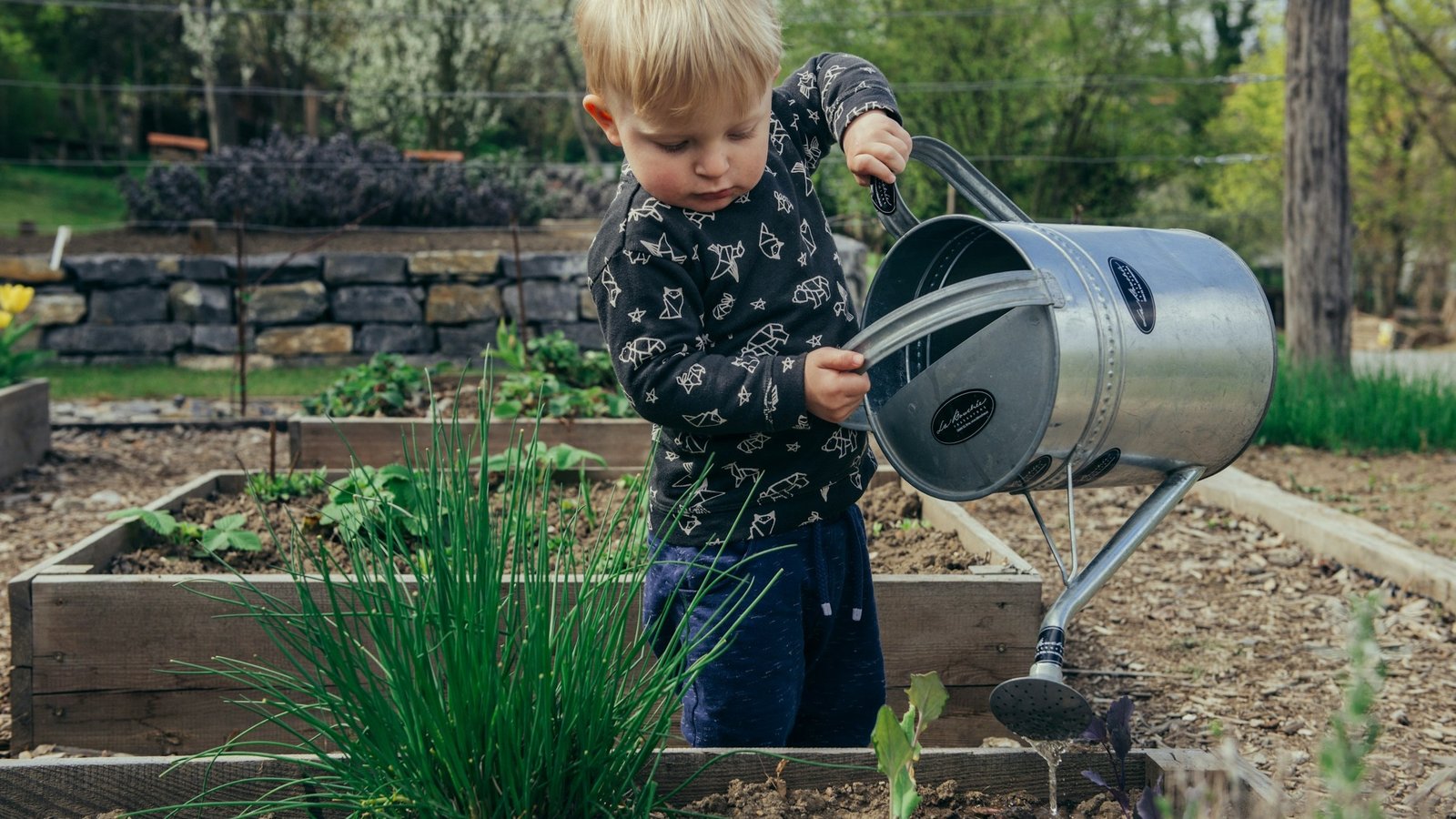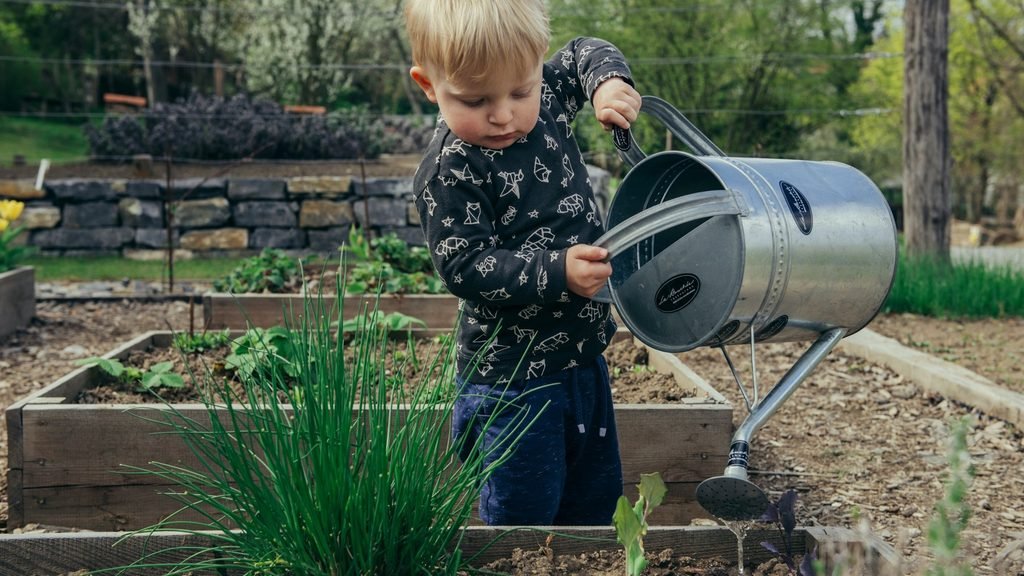
The best gardening activities for kids match the child’s patience. Toddlers do well with projects that show something within days, like a bean sprouting in a bag. School-age kids can wait a few weeks for radishes. Older kids can take on slower projects, such as a worm bin or a pizza garden.
Every project below says roughly how long the wait is, so you can match it to your kid before interest runs out. Most work in a pot on a windowsill or balcony, so a backyard isn’t required.
One rule covers all ages. Kids shouldn’t eat anything from the garden unless an adult says it’s food, and everyone washes their hands afterward. That’s the same advice you’ll find in Michigan State University Extension’s tips for keeping kids safe in the garden.
Toddlers, Ages 2 to 4
Toddlers want to touch everything and see results fast. Keep sessions short and expect soil on the floor.
1. Dig And Pour in A Tub
Put some dirt in a large container such as a plastic tub or an outdoor pot and give the kids a spoon, a cup, and a small watering can. It’s that simple. Digging and pouring lead to mud and immediate gratification. Balconies work well for this, with the towel catching most of the mess.
2. Beans in A Bag
Soak a few dried beans overnight, tuck them into a damp folded paper towel inside a zip bag, and tape it to a sunny window. Expect sprouts within about a week. Your toddler can check each morning and spot the root, which pokes out first. Once a bean has sprouted, move it into a pot of soil.
3. Grass-Hair Pot People
Draw a face on a paper cup, fill it with soil, and sprinkle grass seed on top. Water it and park it on the windowsill. The “hair” should show up in a week or two, and after that your toddler’s job is the haircut. You hold the scissors.
Early School Age, 5 to 8
At this age kids can wait a few weeks, follow a few steps, and care a lot about whether theirs beats their sibling’s.
4. Sunflower Cups
Give each child a cup of soil, one sunflower seed, and a name tag. Sow the seed to the depth indicated on the packet, and just watch the windowsill! Whose plants are the first to sprout? The seeds are large and easy for tiny hands, and typically sprout within 7 to 10 days. When the seedlings develop their true leaves, transplant the winners to a larger pot or outdoors. It takes several months for flowers to blossom, and this information is on the packet.
5. Radishes in A Pot
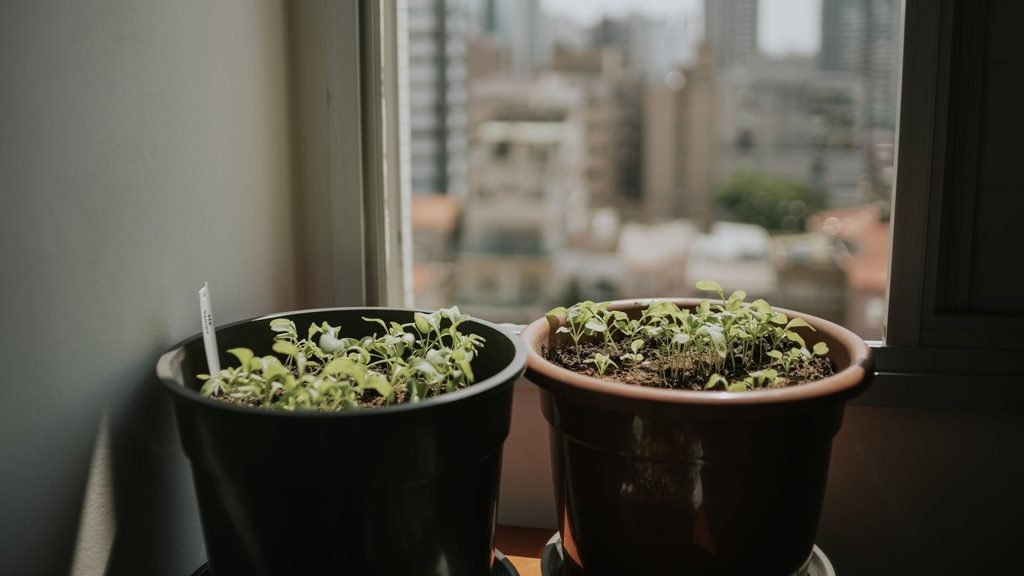
Radishes suit impatient kids, and they grow fine in a container. Cover the seeds with at least half an inch of soil and keep it damp. Most common varieties are ready in about three to four weeks. Pull one, rinse it and let your kid bite it. It’ll be sharp. Some kids love that.
6. Tomatoes From a Store-Bought Slice
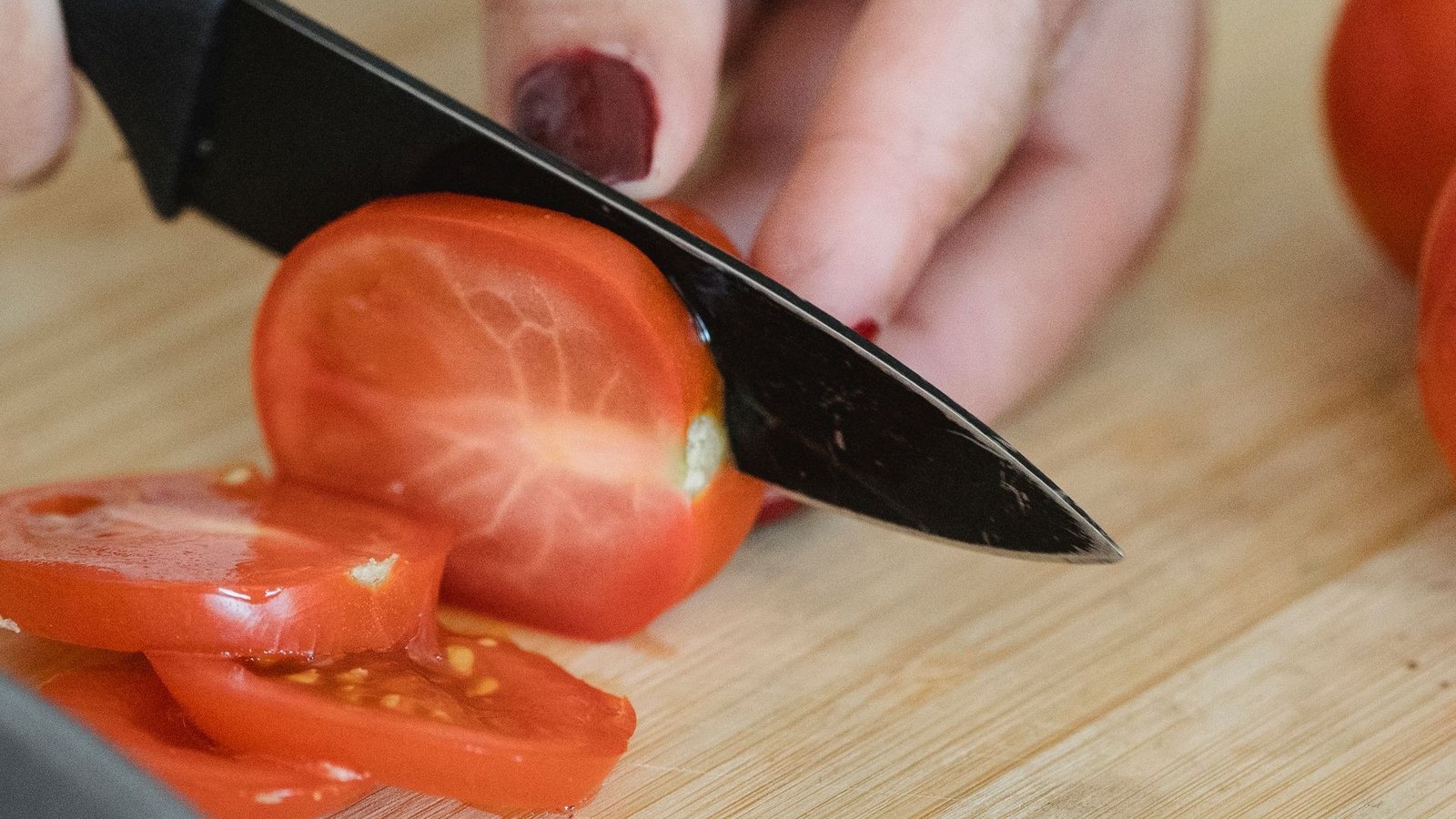
Lay a slice of tomato on damp potting mix in a small pot, cover it lightly with more mix, and set it on a warm, bright windowsill. Seedlings usually show in about a week if the pot stays warm, and a cold windowsill slows them down a lot. For the full method, see our guide to growing tomatoes from a tomato. Tell your kid the sprouts are the prize, because real tomatoes take months. And no snacking on the leaves. Only the fruit is for eating, and kids with sensitive skin may want to wash up after handling the plant.
7. Jack-and-the-Beanstalk Pot
Push a tall stake into a big pot and plant a few pole beans around it. Tuck a toy house at the base and tape a paper castle to the top of the stake. Sprouts take about a week in warm soil. After that your kid gets a daily question: how far up is it today? A balcony pot is enough. Expect a few weeks before the vines reach the castle.
Older Kids, 9 to 12
Older kids can handle slow projects, and they want some say in how things go.
8. Carrot-Top Greens
Slice an inch off the top of a carrot and stand it cut side down in a saucer of shallow water on a windowsill. Feathery green shoots usually appear within a week. Only the leaves grow back, so don’t wait around for a carrot. It’s still a good way to watch something grow from a kitchen scrap. Change the water every day or two so it stays clear.
9. Pizza Garden
Draw a circle in a sunny flowerbed or large pot and cut it into pieces. Grow tomatoes in one, basil in another, and let the child decide on what else goes where. Yellow marigolds will look good as cheese. Keep one piece for the hands to fit in. You can plan it over a weekend, but give it the whole summer before anyone eats a topping.
10. Worm Bin
The basic compost bin consists of a box with holes that have been drilled in the lid and some shredded moistened paper along with composting worms. Vegetable peelings, dead leaves, grass, and shredded paper are all good for composting. It is advisable to wash one’s hands after dealing with the compost pile. Children can add waste to it once a week. Give it a couple of months before you see finished compost.
11. A Weekly Growth Journal
Pick one plant from the projects above, measure it every week and write down the number. Add a drawing or a dated photo. Kids too young to write can draw. By the end of summer an older kid has a graph showing the exact week the sunflower took off.
12. Windowsill Herb Pot
Fill a pot that has drainage holes, sow basil or mint, and put it in the brightest window you have. Rub a leaf between your fingers and smell it. Expect the first leaves to pick in about a month. Then hand over the scissors and let your kid cook with it.
Start with one. If it flops, plant another. If you only try one of these gardening activities for kids, make it the beans in a bag. You’ll know by next week whether it worked.