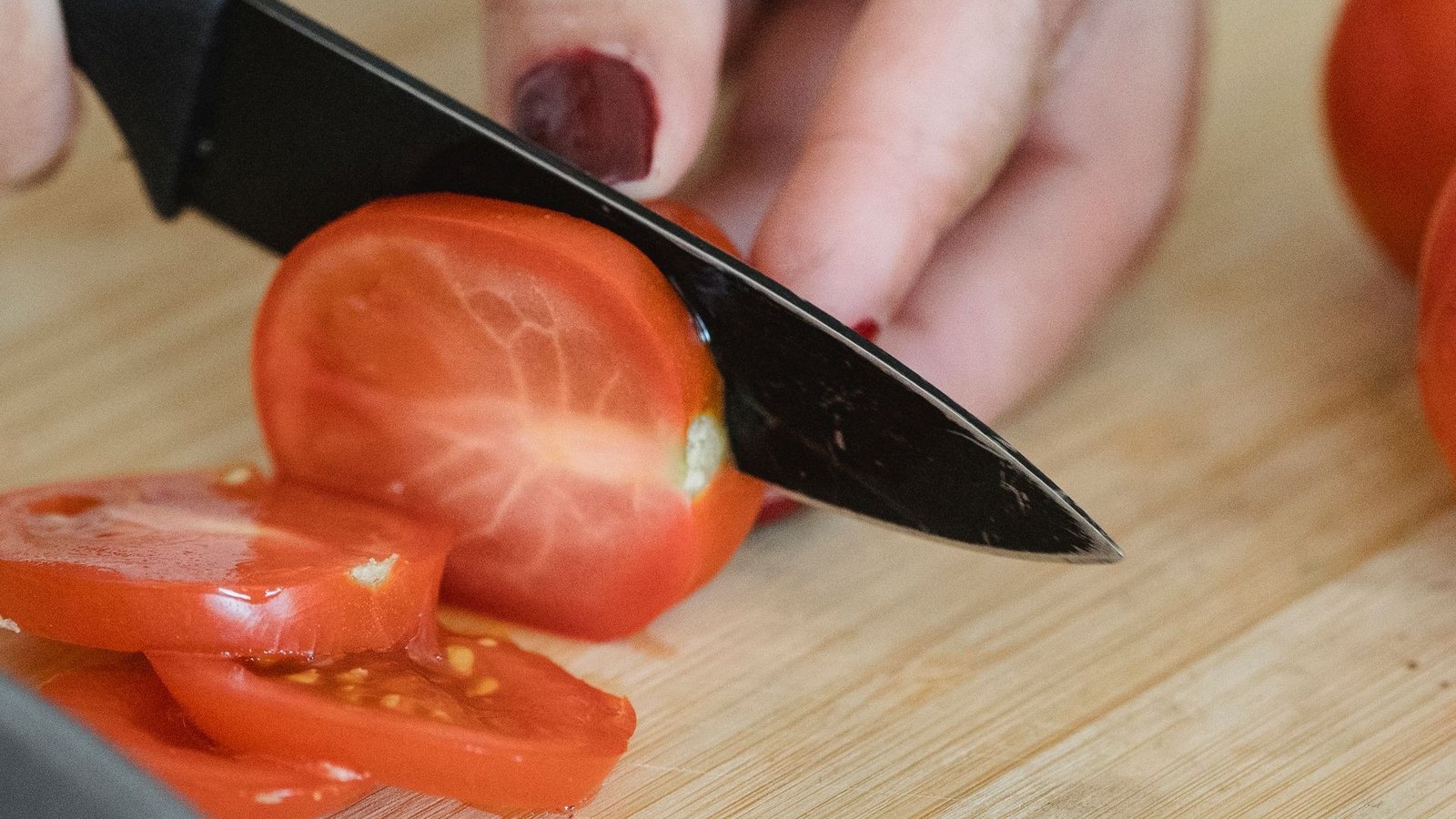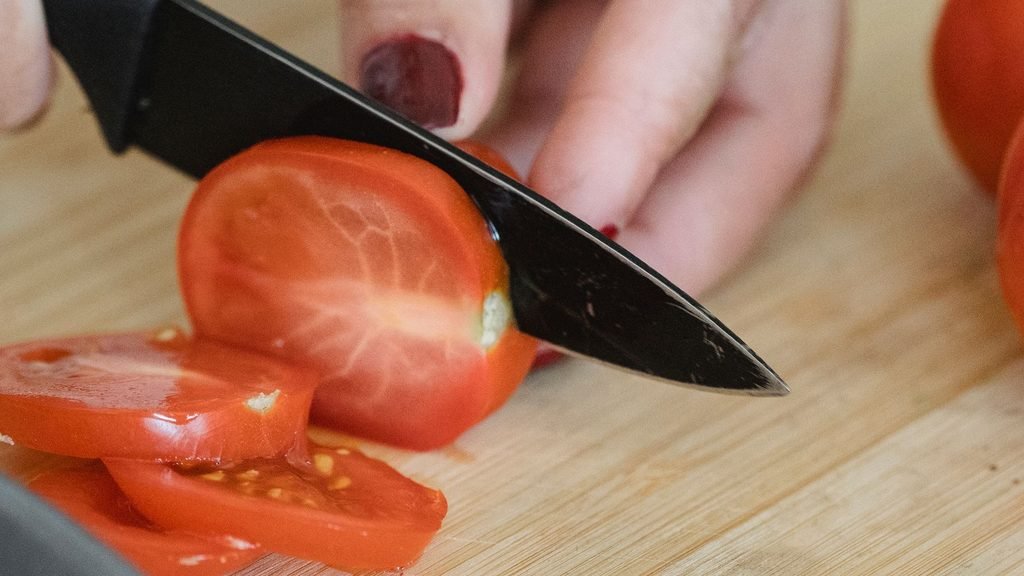
Yes, you can grow tomatoes from a tomato you picked up at the store. Slice it and bury the pieces in potting mix, or scoop out the seeds, dry them, and plant those. Slices are quicker and give you a crowd of seedlings. Seeds give you more say. Either way, you need warmth.
A tomato going soft on the counter is a free seed packet. The only things you have to buy are a pot and some potting mix, and you may already own both. Which method suits you depends on what you want out of the plant, so here’s how each one goes.
Will a store-bought tomato grow?
Usually, yes. A tomato is a bag of seeds, and those seeds want to sprout. It’s how volunteer plants show up in gardens where fruit got left on the ground.
What you’ll get is the open question. Most supermarket tomatoes are hybrids. Their seeds mix traits from two parent lines, so your plant might give you smaller fruit, later fruit, or fruit that tastes nothing like the one you ate. Some plants grow well and never set fruit at all.
Want a better shot at a match? Buy from a farmer’s market and ask the seller what variety it is. Heirlooms are open-pollinated, which means the seeds usually come out close to the parent. Even then, call the first batch a trial.
Pick a fully ripe tomato, too. Seeds from underripe fruit may not be mature enough to germinate well. Cherry and plum types are forgiving for a first try, and they fruit sooner than big beefsteaks. If the label names the variety, jot it down. If one plant outperforms the rest, you’ll want to know what it was.
The slice method
It’s the low-effort route. Take a ripe tomato (overripe is fine), cut it into rounds about a quarter inch thick, and lay them flat on damp potting mix in a pot or tray. Cover with a thin layer of mix. That’s the whole setup.
Water gently so the slices don’t shift. The mix should feel like a wrung-out sponge, not a puddle. Soggy flesh rots and grows mold, and if you spot fuzz, pull that slice out and let the top of the mix dry a bit. Keep the pot warm. A bright windowsill does it.
In a week or two you’ll see tiny green hooks pushing up, then a mat of seedlings, often dozens from a single slice. You can’t keep them all. Wait until they’ve grown their first true leaves, the jagged ones that look like real tomato leaves rather than the smooth, narrow first pair. Then pick the strongest few, pull them apart gently, and give each one its own pot. Crowded seedlings fight over light and end up thin and pale.
The seed method
Cut the tomato open and scoop out the seeds and the jelly around them. Each seed wears a slimy coat that holds back sprouting. Tip everything into a sieve and rinse, rubbing the seeds with your fingers until they feel clean and a bit rough. Some gardeners ferment the seeds in a jar of water for a couple of days to strip the coat off completely. For one home attempt, rinsing works fine.
Dry the seeds on a plate. Paper towels work too, but the seeds glue themselves to them. Plant within a week, or tuck them into an envelope for next year.
Fill small pots with seed-starting mix and press two or three seeds about a quarter inch down in each. Water lightly. Keep the pots warm and most seeds will sprout in about a week to ten days. If more than one comes up in a pot, snip the weaker ones at the soil line with scissors. Pulling them can tear the roots of the one you want.
Slice or seed?
Pick slices when the tomato’s half gone anyway, you don’t care what variety it is, and you want to see what happens. It’s quick, and kids like it because things show up fast.
Pick seeds when you chose the tomato for its flavor or you only have room for a few plants. Each seed gets its own pot, and there’s no rotting fruit sitting near the roots.
After the first true leaves open, it makes no difference. A seedling is a seedling.
What about planting a whole tomato? It can work, but the fruit tends to rot in place and the seedlings jam together. If you find one with seeds already sprouting inside, pull it apart and plant the biggest sprouts.
When to start
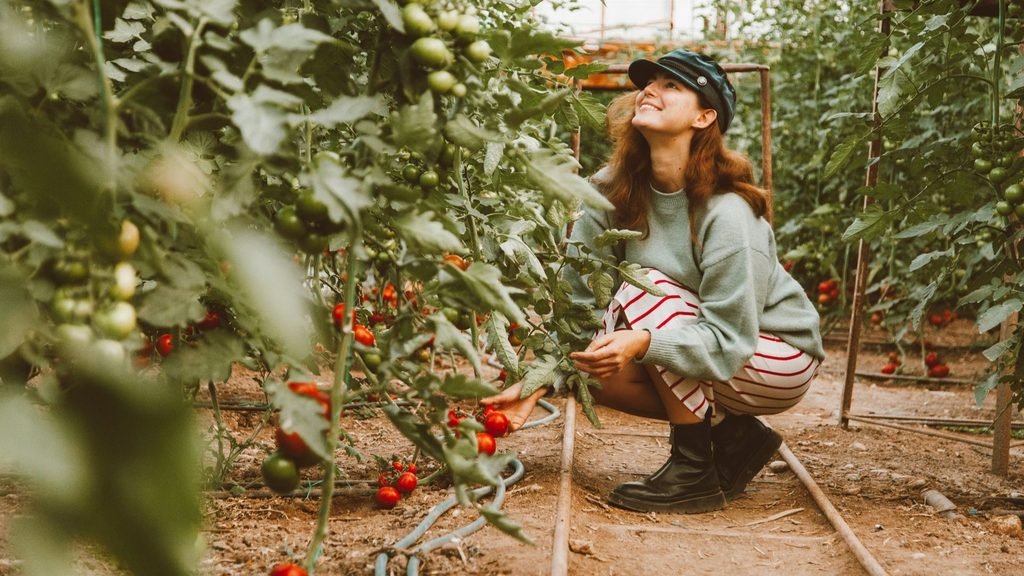
Timing matters more than which method you pick. Tomatoes love warmth. In a cool room, seedlings just sit there, and purple leaves are a common sign they’re too cold.
For an outdoor crop, sow six to eight weeks before your last spring frost. That gives the seedlings time to get sturdy. Missed the window? You can still grow them indoors, but you need a warm room and plenty of light. A south-facing windowsill can work in summer. In winter, a cheap grow light a few inches above the leaves does the job better and stops the seedlings stretching toward the glass.
As the plants grow, repot them into larger containers and bury part of the stem each time. Tomatoes grow roots along the buried stem, which makes for a stronger plant.
Planting outside waits until frost is gone and night’s stay above about 50°F (10°C). A week before that, put the pots outdoors for a few hours a day, adding time daily. Gardeners call this hardening off. It stops soft indoor leaves from scorching in full sun.
Pick a spot with full sun and well-drained soil, and put a stake or cage in early, before the plant gets big. Water deeply at the base instead of a little every day. Cherry types can fruit two to three months after transplanting. Big slicers take longer.
Problems you might run into
Mold on slices is the usual one. Too much water, too little air. Once the seedlings have true leaves, lift out what’s left of the slice. It’s done its job.
Seedlings that suddenly flop over, pinched at the soil line? The mix was too wet. Start again with fresh mix and clean pots, and water from the bottom by standing the pot in a shallow tray for a few minutes.
Tall, pale seedlings leaning at the window need more light. Move them closer or add a grow light.
And if a healthy plant flowers but never sets fruit? A few things could be going on. Hybrid parentage can play a part. Very hot nights make flowers drop. Indoors, the plant may need help with pollination. Tomato flowers pollinate themselves, but they need a little movement to release the pollen, so tap the stem or give the flower cluster a gentle shake once a day while the flowers are open.