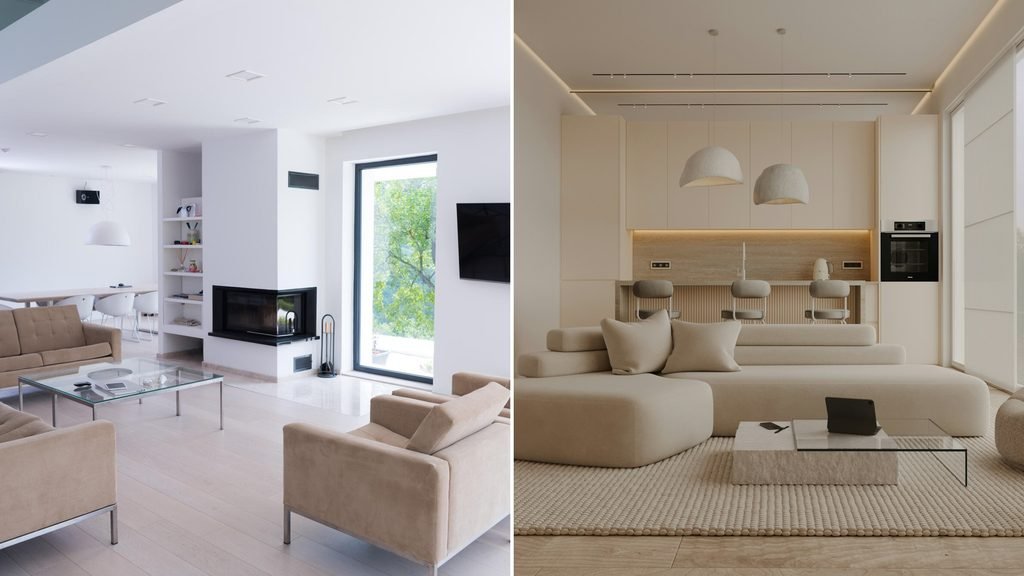
Interior design styles are basically the personality rules a room follows: the colors, materials, and shapes that make a space feel like something instead of a furniture showroom. Modern means clean lines rooted in early 1900s design. Contemporary just means whatever’s current right now, full stop. Beyond those two, you’ve got Scandinavian, bohemian, industrial, farmhouse, and a dozen more, each with its own personality and its own die-hard fans.
Modern vs. Contemporary: The Difference Everyone Gets Wrong
It is clear why people confuse the two terms. Real estate ads confuse them all the time, websites that sell furniture put “modern” on everything that is not chintz and flowers, and the words themselves sound like synonyms. They are not synonyms, but once you understand the difference, you can’t unsee it.
Modern design points to a specific era, not a vibe. It grew out of the Bauhaus school, founded in Germany in 1919, where designers stripped everything down to function first and decoration a distant second. That one school ended up reshaping architecture and design thinking for the rest of the century, according to UNESCO’s World Heritage records — which is a wild amount of influence for a school that only ran 14 years. Think exposed steel, glass, minimal ornamentation. If a couch has clean rectangular lines and zero fuss, that’s a modern silhouette, even if it rolled off the factory line last month.
Contemporary has no fixed era at all. It just means “right now,” which is exactly why it’s so slippery to define. A contemporary living room in 2015 looked nothing like one today, and five years from now it’ll have moved on again. Contemporary spaces borrow freely — a curved sofa here, a matte black faucet there — without any loyalty to one movement or era.
Here’s the shortcut I use: if a piece could’ve been designed in 1955 and would still look right in that same room, it’s probably modern. If it only makes sense in a room styled this year, it’s contemporary.
Scandinavian: Function Over Everything
Scandi design comes from the same instinct as modern, just gentler. Pale wood floors, white walls, furniture with soft, rounded edges instead of hard angles. The goal isn’t an empty room — it’s a calm one, and those aren’t the same thing, even though people confuse them constantly.
Texture is what makes or breaks this style. A room that’s all white with nothing to touch just reads cold and a little sad. Throw in a chunky wool blanket, a linen curtain, a couple of plants, and suddenly it feels lived-in instead of staged. If you want the full breakdown of how to layer texture into a pared-back palette without it tipping into “empty,” our guide to Scandinavian and Nordic decor goes through it room by room.
Bohemian: Curated Chaos
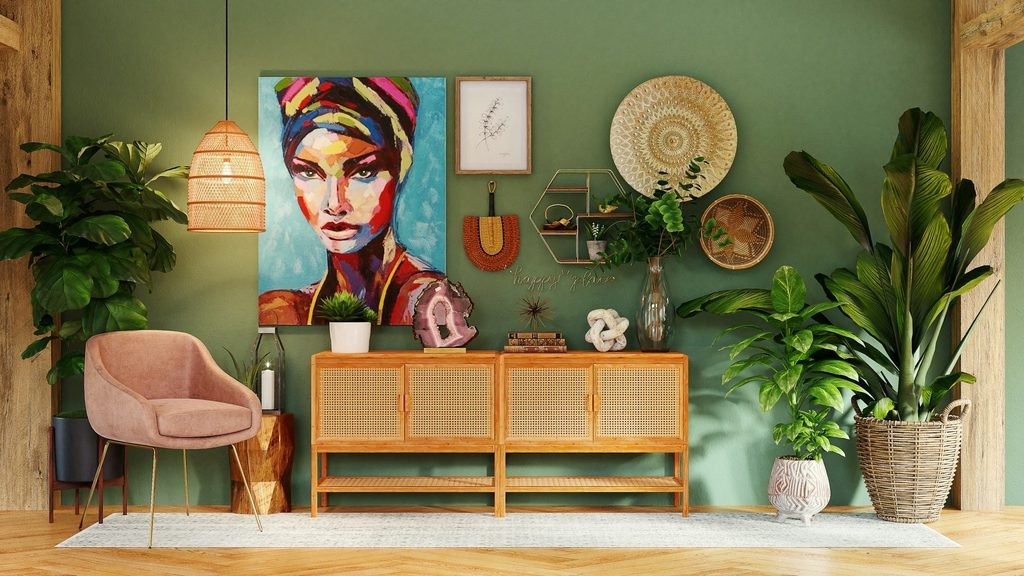
Boho gets a bad reputation for looking like a thrift store exploded, but the good version is anything but accidental. It’s layered rugs, mismatched patterns, plants crowding every windowsill, and furniture that looks like it was collected over a decade of travel rather than bought in one Saturday trip to a big-box store.
Natural materials do most of the heavy lifting. Rattan, jute, raw wood — they show up everywhere, which is why one woven accent chair can carry an entire corner of the room. If you’re shopping for one, this breakdown of rattan chairs covers what actually holds up over time versus what falls apart after a year.
The real trick with boho is restraint hiding inside the chaos. Pick a loose color story and stick to it, or the room stops feeling curated and starts feeling like a garage sale that never got cleaned up.
Industrial: Raw and Unfinished, On Purpose
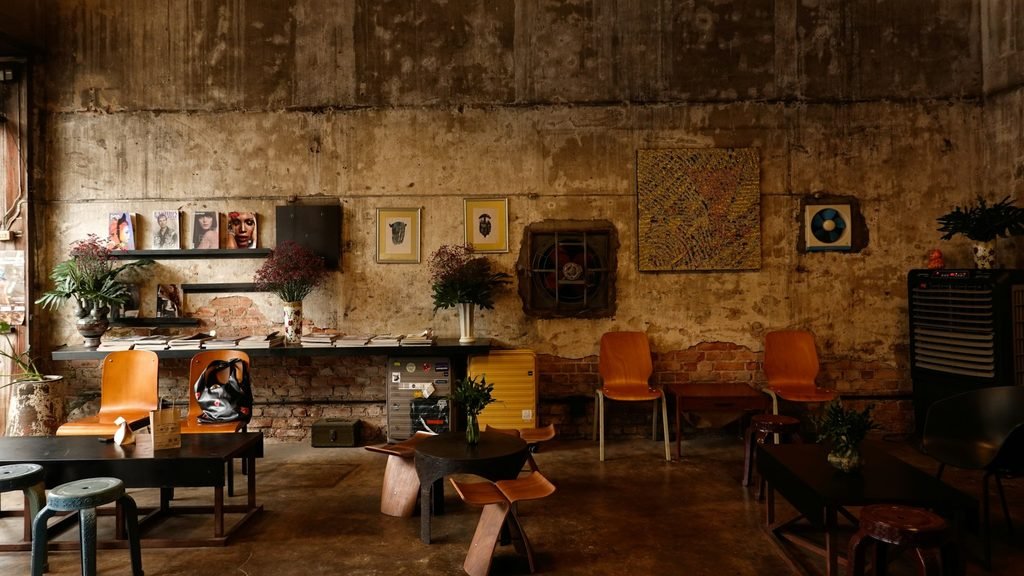
Industrial style borrows straight from old factories and warehouses — exposed brick, black metal fixtures, concrete floors, ductwork left out in the open instead of hidden behind drywall. It works precisely because it doesn’t pretend to be something it’s not.
This style leans moody and a little masculine by default, so most people balance it out with something soft. A worn leather sofa next to a raw wood coffee table keeps the whole room from feeling like a machine shop you accidentally moved into. It’s one of the only styles where “unfinished” is, somehow, the finished look.
Farmhouse and French Country: Old-World Warmth
Farmhouse leans rustic and American — shiplap, apron sinks, distressed wood, a lot of white broken up by warm wood accents. French Country is its more polished European cousin: softer curves, toile patterns, warmer color palettes, a little more ornate throughout.
Both styles lean on furniture that looks like it has a story, even when it was delivered last week. A French country sofa with rolled arms and a slipcovered look does more for the room’s mood than any throw pillow ever could. Same goes for the bedroom — a solid wood bed frame grounds the whole space in a way a metal frame just never quite manages.
Minimalist: Less, But Better
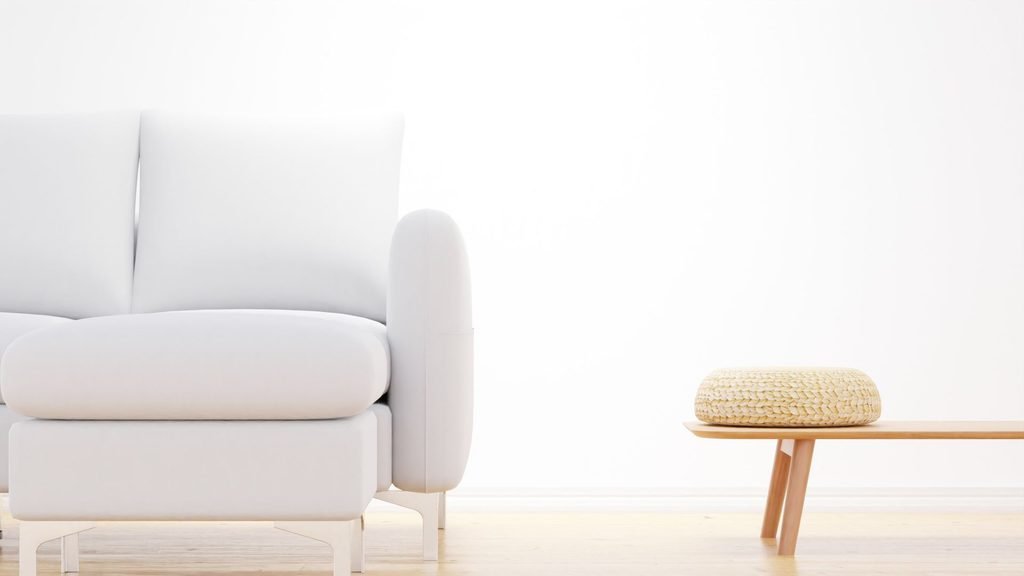
Minimalism isn’t about owning nothing, no matter what the Instagram version suggests. It’s about owning fewer things that actually earn their spot. Every object in a minimalist room should be there because it’s useful, or because it’s genuinely beautiful — ideally both, but one is enough.
Color stays restrained: whites, grays, maybe one accent tone that shows up twice in the room and nowhere else. A white couch is a classic minimalist anchor for exactly that reason — it disappears into the room instead of fighting for attention.
Here’s the part nobody tells you: the hardest bit of minimalism isn’t decorating, it’s editing. Most people fail at this style by buying a bunch of “minimalist-looking” pieces and then cramming the room with them anyway. That’s not minimalism, that’s just fewer patterns.
Traditional: Classic Never Left
Traditional design pulls from 18th and 19th century European styles — symmetry, rich wood tones, classic silhouettes like wingback chairs and clawfoot tables. It’s the opposite of trendy, which is exactly the point for people who don’t want to redecorate every time a new aesthetic takes over Pinterest.
This style shows up beautifully in kitchens especially, where raised-panel cabinetry and warm wood tones do most of the visual work without you having to try too hard. If you’re weighing a full kitchen refresh without traditional’s usual price tag, this guide to budget-friendly luxury kitchen remodels is worth a read before you commit to anything.
Art Deco: Glamour With Sharp Edges
Art Deco came out of the 1920s and somehow still reads as glamorous a century later. Geometric patterns, bold color contrasts, brass and gold accents, a general sense of drama. Think sunburst mirrors and velvet upholstery — the kind of room that photographs like it’s about to host a party.
It’s not a style for anyone who wants a room to fade into the background. Art Deco wants attention, and it earns it through symmetry and shine rather than clutter, which is honestly a nice trick if you can pull it off.
Coastal: Beach House Without the Cliché
Coastal design is long gone from anchors and rope accents, and quite frankly, good riddance. This design is characterized by light-filled rooms, soft blues, sandy neutral colors, and light, airy materials. Linen slipcovers, textures, and driftwood colors make the statement rather than an actual boat’s wheel decorating the wall.
Woven furniture can be found everywhere here too, much like in bohemian spaces, just for the sake of texture.
Mid-Century Modern: Still Everywhere for a Reason
Mid-century modern reached its peak somewhere between the 1940s and 1960s and hasn’t packed its bags since. Tapered wooden legs, organic lines, and a combination of warm woods with vibrant colors and accents. One of the most imitated styles in home furniture stores at the moment, making it extremely accessible for people who want to recreate the look.
It has survived through the years due to its functionality. Low-profile furniture, smart storage, clean lines — all of it was designed for smaller postwar homes, and that same scale happens to suit a modern apartment just fine.
Maximalist: More Is the Point
Maximalism is minimalism’s chaotic sibling: pattern on pattern, bold wallpaper, layered art, saturated color everywhere you look. Done well, it doesn’t feel like a mess — it feels intentional, like every single choice was made on purpose instead of left to pile up over the years.
Wallpaper is usually where people start experimenting with maximalism, since it’s reversible and dramatic without touching a single piece of furniture. A powder room is the lowest-stakes place to try it out. If you want the maximalist effect without committing to an entire room, these wallpaper ideas for small bathrooms are a solid place to start.
Transitional: The Style for People Who Can’t Pick One
Transitional design splits the difference between traditional and modern. It keeps classic furniture shapes but strips away the ornate detailing, then pairs everything with a more neutral, contemporary palette. It’s the safest style to resell a home in, which is exactly why so many builders default to it without even thinking twice.
If you’re renting or working with a smaller footprint, transitional’s neutral bones also make it easy to shift a room’s whole mood with accessories alone instead of buying new furniture every time you get bored. Small-space styling tips like these apply especially well here, since transitional rooms tend to lean on layout more than one big statement piece.
How to Actually Find Your Style
Skip the mood boards for a second and look at what you already own. The clothes in your closet, the restaurants you keep going back to, even the tote bags you reach for — they say more about your taste than another hour of scrolling Pinterest ever will.
Pull five photos you’re drawn to, ignore what room they’re of, and just notice what repeats. Warm wood everywhere? You’re probably farmhouse or mid-century. Bold color and pattern in every single shot? Maximalist, no question. Clean lines and a lot of empty space? Modern or minimalist.
And most people aren’t purebreds anyway, so don’t stress about picking exactly one. A modern kitchen with a few bohemian textiles scattered through the living room is completely normal, not a design failure. The goal was never a magazine spread. It’s a house that actually feels like yours when you walk in the door.